


How Do Personal Injury Attorneys Get Paid in Brooklyn, New York?
Table of Contents
- 1. Why Contingency Fees Exist in Personal Injury Cases
- 2. New York Sets a Legal Ceiling on These Fees
- 3. The Two Fee Structures a Contingency Fee Lawyer in NY Can Choose
- 4. What Counts as the Recovery Your Fee Is Based On
- 5. Your Fee Agreement Must Be in Writing
- 6. What a Contingency Fee Does Not Cover
- 7. Frequently Asked Questions
- 8. Understanding Your Fee Before You Sign
Worrying about legal bills on top of medical bills keeps many injured people from even calling a lawyer. That worry is usually unnecessary.
A contingency fee lawyer in NY does not charge anything upfront. They do not get paid at all unless your case succeeds.
This blog explains how contingency fees actually work. It covers what New York law allows and what your fee agreement should include.
1. Why Contingency Fees Exist in Personal Injury Cases
Most injured people could not afford hourly legal fees while also dealing with medical bills and lost income. The contingency fee model solves that problem.
A contingency fee lawyer in NY takes on the financial risk of the case. If you do not recover any money, you usually owe no lawyer fee at all. This lets injured people pursue a claim without needing cash up front.
Our Personal Injury Litigation page covers how our firm structures fees across the cases we handle.
2. New York Sets a Legal Ceiling on These Fees
Lawyers cannot just charge whatever percentage they want. New York courts place a cap on these fees in personal injury cases.
Brooklyn falls within the Second Judicial Department, which has its own specific rule on this. According to 22 NYCRR Section 691.20, a fee within the department’s approved schedule is considered fair and reasonable. A fee above that schedule can be treated as unreasonable, unless a court allows it.
This rule differs slightly between the four Appellate Division departments. A firm in Manhattan follows a different section number than a firm in Brooklyn, though the substance is similar.
3. The Two Fee Structures a Contingency Fee Lawyer in NY Can Choose
The Second Department’s rule offers two different options. Most firms choose one and use it consistently.
Schedule A is a sliding scale that decreases as the recovery grows:
- 50 percent on the first $1,000 recovered
- 40 percent on the next $2,000 recovered
- 35 percent on the next $22,000 recovered
- 25 percent on any amount over $25,000 recovered
Schedule B is simpler. It allows a flat percentage of up to 33 and one-third percent of the total recovery. This applies as long as the client agreed to it in writing from the start.
In practice, most personal injury lawyers use Schedule B. The flat one-third structure is easier to explain and easier for clients to understand.
4. What Counts as the Recovery Your Fee Is Based On
The fee percentage applies to your net recovery, not the raw settlement number. Certain expenses get deducted first.
Costs like expert witness fees and investigative expenses usually get subtracted before the percentage is calculated. This matters because a larger case with significant litigation costs can end up with a smaller net amount than the headline number suggests.
We cover how settlement amounts and trial verdicts compare in our post, Personal Injury Settlement vs Trial Verdict in New York. Going to trial can affect both the size of your recovery and the costs deducted from it.
5. Your Fee Agreement Must Be in Writing
New York does not leave contingency fees to a verbal handshake. Documentation is required.
According to Rule 1.5 of the New York Rules of Professional Conduct, a lawyer must promptly give the client a written statement of how the fee will be determined. This includes the percentage, what expenses get deducted, and whether those expenses come out before or after the fee is calculated.
At the end of your case, the lawyer must also give you a written statement. It should show the final recovery and exactly how the fee was calculated.
6. What a Contingency Fee Does Not Cover
A contingency fee lawyer in NY handling your lawsuit is not necessarily the same arrangement covering every part of your claim. There is an important exception worth knowing.
- The contingency fee rules described above do not apply to fees for collecting no-fault, first-party insurance benefits
- No-fault benefit collection generally follows a different fee structure under insurance regulations
- Case expenses, like filing fees or expert costs, are usually separate from the lawyer’s percentage fee itself
- Medical liens and other reimbursement obligations are handled separately from the lawyer fee calculation
Knowing which category a fee falls into helps avoid confusion when you review your final settlement breakdown.
7. Frequently Asked Questions
Do I pay anything if my case is unsuccessful?
Under a standard contingency arrangement, you usually do not owe a fee if there is no recovery. Some case expenses may still apply, depending on your agreement, so it is worth clarifying this upfront.
Can my lawyer charge more than one-third of my recovery?
Generally, no. The Second Department’s rule sets that as the standard ceiling. A court can authorize a higher fee only in extraordinary circumstances, and this rarely happens in typical cases.
Are contingency fees the same for every type of injury case?
Medical malpractice cases follow a different fee structure entirely. State law sets that one, not the rule described here. Most other cases handled by a contingency fee lawyer in NY follow the schedule discussed above.
What happens to unpaid medical bills from my treatment?
These are usually addressed separately from the lawyer’s fee. They are often handled through liens or reimbursement arrangements negotiated as part of resolving your case.
Why do most lawyers choose the flat one-third fee instead of the sliding scale?
The sliding scale results in a lower overall fee only on very small recoveries. For most cases, the flat percentage is simpler for both sides to track.
8. Understanding Your Fee Before You Sign
Knowing how a contingency fee lawyer in NY gets paid before you sign anything helps you ask the right questions. A written agreement should leave little room for surprises later.
If you were injured in Brooklyn, our Personal Injury Attorney in Brooklyn, NY page covers how our team approaches cases there.
💡Key Takeaways
- A contingency fee lawyer in NY generally charges nothing upfront and gets paid only if your case results in a recovery.
- Brooklyn falls under the Second Judicial Department, which caps contingency fees under a specific schedule. This means either a sliding scale or a flat fee of up to one-third of the recovery.
- Your fee is usually calculated on the net recovery, after certain litigation expenses are deducted.
- New York law requires your fee agreement to be in writing. It must clearly explain the percentage and how expenses are handled.
- Contingency fee rules for personal injury lawsuits do not apply to fees for collecting no-fault insurance benefits. Those follow a separate structure.
WONDERING WHAT A LAWYER WOULD ACTUALLY COST YOU?
Are you considering legal help after an injury? Want to understand exactly how fees work before committing to anything? Speaking with a personal injury lawyer can clarify your options at no upfront cost.
Disclaimer: This article is for informational purposes only and does not constitute legal advice. Every personal injury case is different, and outcomes depend on individual circumstances. Reading this content does not create an attorney-client relationship. If you have been injured and are considering legal action, consult a qualified lawyer who can evaluate the specific facts of your situation.
References


Can You Sue Your Landlord If a Neighbor's Dog Bites You in NY?
Table of Contents
- 1. Why This Question Comes Up So Often in Shared Buildings
- 2. What Flanders v. Goodfellow Changed for Third Parties
- 3. When a Landlord's Own Actions Create Liability
- 4. What You Need to Show the Landlord Knew
- 5. Landlord Liability for Dog Bites vs. the Dog Owner's Liability
- 6. Evidence That Strengthens a Claim Against a Landlord
- 7. Frequently Asked Questions
- 8. Next Steps After a Dog Bite in Your Building
Getting bitten by a dog that belongs to another tenant raises an immediate question. Who do you actually go after? The dog’s owner might not have much insurance or money.
Landlord liability for dog bites is often the more realistic path. This is especially true when the bite happened in a hallway, lobby, or shared yard.
This blog explains when a landlord can actually be held responsible. It covers what recently changed in New York law and what evidence helps support a claim.
1. Why This Question Comes Up So Often in Shared Buildings
Multi-family buildings create close contact between tenants and their neighbors’ pets. Lobbies, stairwells, mailrooms, and shared yards put people and dogs in the same space daily.
This proximity means landlord liability for dog bites comes up constantly in apartment and multi-family settings. A tenant bitten in a common area often has no relationship with the dog’s owner at all. Filing a claim against a stranger can feel far less realistic than looking to the building’s owner instead.
Our Dog Bite Accident practice page covers how our firm evaluates these cases. This includes situations involving multiple potentially responsible parties.
2. What Flanders v. Goodfellow Changed for Third Parties
For years, New York limited dog bite claims to strict liability alone. A victim had to prove the owner knew, or should have known, the dog was dangerous. Ordinary negligence claims were not allowed at all.
That changed in April 2025.
According to the New York Court of Appeals decision in Flanders v. Goodfellow, negligence is now a valid legal theory in dog bite cases. The court overruled decades of precedent. That precedent had blocked negligence claims for harm caused by domestic animals.
This matters for landlords specifically. The ruling opened the door to a new argument. A third party, not just the dog’s owner, can now be shown to have failed to exercise reasonable care. Landlord liability for dog bites became a more viable path once negligence claims were back on the table.
3. When a Landlord's Own Actions Create Liability
A landlord is not automatically responsible just because a tenant’s dog bit someone. Liability generally depends on what the landlord knew. It also depends on what they did, or failed to do, about it.
Several situations tend to support a claim:
- The landlord received prior complaints about the dog’s aggressive behavior
- The lease allowed the landlord to require a dog’s removal, and they chose not to enforce it
- The landlord had control over common areas where the dog was allowed to roam freely
- The landlord had actual knowledge of a prior bite or attack involving the same dog
According to New York Agriculture and Markets Law Section 123, an owner of a dog legally declared dangerous faces strict liability for medical costs. A landlord’s own liability works differently. It generally depends on negligence principles instead.
4. What You Need to Show the Landlord Knew
Building a claim against a landlord usually comes down to proving they had some level of awareness beforehand. Useful evidence includes:
- Written complaints or emails sent to building management about the dog
- Testimony from other tenants who witnessed prior aggressive behavior
- Maintenance or incident logs mentioning the dog
- Lease provisions addressing pet behavior or breed restrictions
- Any prior 911 calls or animal control reports tied to the same dog
Without proof of prior knowledge, a claim against the landlord becomes much harder to support. This is why documentation matters so much.
5. Landlord Liability for Dog Bites vs. the Dog Owner's Liability
These are two separate claims that can sometimes be pursued together. The dog owner’s liability depends on strict liability or negligence tied directly to the animal. Landlord liability for dog bites depends instead on the landlord’s own knowledge and conduct.
Our earlier post, Who Is Legally Liable for a Dog Bite Injury in New York?, covers the dog owner side of this equation in more depth. This post focuses on when a landlord shares that responsibility instead.
A victim is not required to pick only one theory. Both the owner and the landlord can potentially be named in the same claim.
6. Evidence That Strengthens a Claim Against a Landlord
Landlord claims depend heavily on prior knowledge. The evidence gathered after a bite carries real weight. It helps to:
- Photograph your injuries and the location where the bite occurred
- Ask neighbors whether they ever complained about the dog
- Request building maintenance or incident records through your attorney
- Keep copies of your lease and any building pet policies
- Report the bite to NYC Health and to building management in writing
Written communication with management creates a paper trail. This can support your claim later. A phone call alone is much harder to prove.
7. Frequently Asked Questions
Does it matter if the landlord lives in the building?
Not necessarily. What matters most is whether the landlord knew about the dog’s behavior and had some ability to act on it. Living on site is not the deciding factor.
What if my lease says pets are not allowed at all?
A no-pet clause can actually support a claim. It may show the landlord had grounds to have the dog removed. Failing to act on that authority strengthens the negligence argument.
Can I sue the landlord even if the dog owner has insurance?
Yes. A landlord’s potential liability is separate from the dog owner’s insurance coverage. Both can be pursued, depending on the facts.
Does this apply to a single-family rental too?
It can, though shared common areas make landlord knowledge easier to establish. A single-family rental generally requires more direct proof of what the landlord knew.
How long do I have to file a claim?
Personal injury claims in New York generally must be filed within three years of the bite. Acting sooner helps preserve evidence and witness memories while they are fresh.
8. Next Steps After a Dog Bite in Your Building
Landlord liability for dog bites often depends on evidence that can disappear quickly. This includes witness memories and informal complaints that were never written down. Acting early gives your claim a stronger foundation.
If you were bitten in Staten Island, our Dog Bite Lawyer in Staten Island, NY page covers how our team approaches cases there.
💡Key Takeaways
- Landlord liability for dog bites generally depends on what the landlord knew about the dog. It also depends on what they did, or failed to do, in response.
- The 2025 Flanders v. Goodfellow decision opened the door to negligence claims against third parties, including landlords.
- Prior complaints, lease terms, and maintenance records are often the strongest evidence of a landlord’s knowledge.
- A landlord’s liability is a separate legal theory from the dog owner’s liability. Both can sometimes be pursued in the same claim.
- Written documentation holds up far better than verbal reports. This includes emails and formal complaints proving what a landlord knew.
BITTEN BY A NEIGHBOR'S DOG AND UNSURE WHO IS RESPONSIBLE?
Were you bitten by another tenant’s dog in a shared building? Speaking with a personal injury attorney can help you understand whether your landlord may share responsibility.
Disclaimer: This article is for informational purposes only and does not constitute legal advice. Every dog bite case is different, and outcomes depend on individual circumstances. Reading this content does not create an attorney-client relationship. If you have been injured and are considering legal action, consult a qualified attorney. They can evaluate the specific facts of your situation.
References

Who Is Liable If a Driver Doors You While Biking in New York?
Table of Contents
- 1. Understanding What Counts as Dooring Under New York Law
- 2. Why the Law Puts the Duty on the Driver, Not the Cyclist
- 3. What You Need to Prove for a Dooring Accident Claim in NY
- 4. Common Injuries and Why They Can Be Severe
- 5. Can the Driver Argue You Were Partly at Fault
- 6. What to Do Right After Getting Doored
- 7. Frequently Asked Questions
- 8. Building Your Case After a Dooring Accident
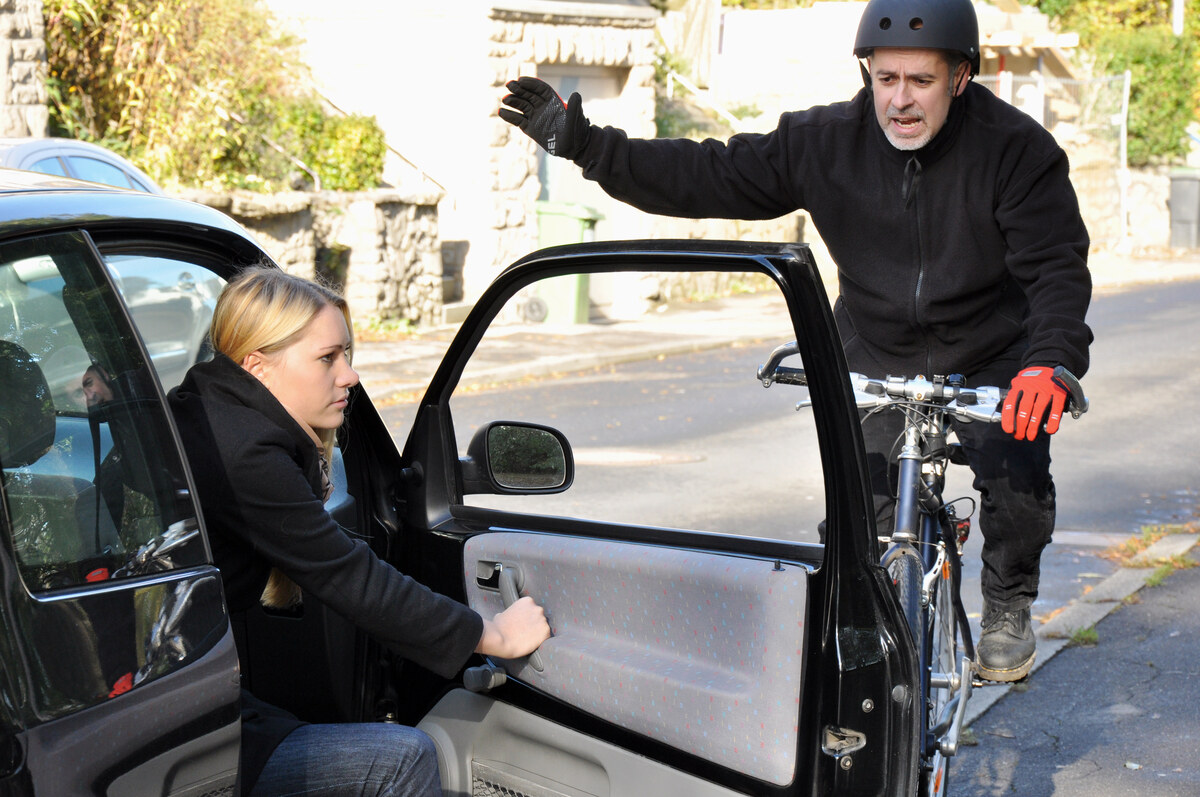
Getting hit by a car door while riding a bike happens in an instant. One second you are riding normally. The next second a door swings open right into your path.
A dooring accident claim in NY often confuses cyclists. It does not feel like a typical car-versus-bike collision.
This blog explains what the law actually says about dooring. It covers who bears responsibility and what steps protect your claim afterward.
1. Understanding What Counts as Dooring Under New York Law
Dooring happens when someone opens a car door into the path of a passing cyclist. It usually happens fast, with little or no warning for the rider.
According to New York Vehicle and Traffic Law Section 1214, opening a car door into traffic is only allowed when it is safe. The law also bars leaving a door open into traffic. This applies beyond the time needed to load or unload passengers.
This statute applies to drivers and passengers alike. A dooring accident claim in NY can involve either one. It depends on who actually opened the door.
2. Why the Law Puts the Duty on the Driver, Not the Cyclist
New York law places the responsibility squarely on the person opening the door. A cyclist riding at a normal, legal distance from parked cars is not expected to anticipate a sudden door. The law does not put that burden on the rider.
This matters because dooring often gets misunderstood as the cyclist’s fault. Some assume the rider should have been riding farther from parked cars. That is not how the law treats it.
Our Bicycle Accident practice page covers how our firm evaluates fault in these cases. This includes other claims involving cyclists too.
3. What You Need to Prove for a Dooring Accident Claim in NY
Building a strong dooring accident claim in NY generally comes down to a few key pieces of evidence. Useful evidence includes:
- Photos of the door position relative to the bike lane or roadway
- Witness statements from anyone who saw the door open
- Any available surveillance or dashcam footage nearby
- Your own account of your speed and position before the crash
- Medical records tying your injuries directly to the impact
Dooring happens fast. The exact sequence of events can easily be disputed. Clear evidence collected early makes a real difference in how the claim gets resolved.
4. Common Injuries and Why They Can Be Severe
Dooring injuries tend to be worse than many people expect. A cyclist often has no time to brake or swerve.
Common injuries include:
- Fractures from the direct impact or from being thrown off the bike
- Head injuries, especially when a helmet was not worn or failed to protect fully
- Road rash and lacerations from sliding across pavement
- Shoulder and collarbone injuries from bracing for the fall
- Secondary injuries if the cyclist gets knocked into moving traffic
Getting doored near moving traffic adds a second layer of danger. A rider knocked off balance can end up in the path of another vehicle.
5. Can the Driver Argue You Were Partly at Fault
Insurers sometimes try to argue the cyclist shares some blame. This happens even though the law puts the primary duty on the driver. Common arguments include claims that the rider was going too fast or not paying attention.
New York’s comparative negligence rules mean a cyclist can still recover damages even if found partly at fault. Recent changes to state law raised the stakes, though. Recovery can now be barred entirely past a certain point.
Strong evidence from the scene makes these insurer arguments harder to sustain.
6. What to Do Right After Getting Doored
What you do in the minutes after a dooring accident can shape your entire claim. It helps to:
- Check yourself for injuries and call 911 if needed
- Photograph the door, the vehicle, and your bike’s position
- Get the driver’s information and any witness contact details
- Seek medical attention even if injuries seem minor at first
- Avoid agreeing to any informal settlement at the scene
Our earlier post, What to Do After a Bicycle Accident in New York, covers general steps that apply here too. For broader safety guidance, NYC DOT’s Bike Safety page covers awareness around parked cars and door zones as well.
7. Frequently Asked Questions
Does it matter if the door was opened by a passenger, not the driver?
No. The statute applies to anyone opening a car door into traffic, whether that person is the driver or a passenger.
What if I was riding in a bike lane when I got doored?
Riding in a marked bike lane generally strengthens your position. It shows you were riding in a legal, expected location for a cyclist. That makes it harder for an insurer to argue you did something wrong.
Can I still file a claim if there was no police report?
Yes. A police report helps, but it is not required to pursue a dooring accident claim in NY. Other evidence can support your case instead.
How long do I have to file a claim after a dooring accident?
Personal injury claims in New York generally must be filed within three years of the accident date. Acting sooner helps preserve evidence while it is still there.
Does my case go through no-fault insurance first?
Often, yes. No-fault benefits typically apply to your initial medical costs. A separate claim against the driver may still cover damages beyond what no-fault provides.
8. Building Your Case After a Dooring Accident
Dooring cases often move faster than people expect. Evidence can disappear quickly. Acting early gives your dooring accident claim in NY the strongest possible foundation.
If your accident happened in Manhattan, our Bicycle Accident Lawyer in Manhattan, NY page covers how our team approaches cases there.
💡Key Takeaways
- New York law places the legal duty on the person opening a car door, not on the cyclist riding past it.
- A dooring accident claim in NY generally relies on photos, witness statements, and any available footage. The incident happens fast, so disputes are common.
- Dooring injuries can be more severe than expected. This includes fractures, head injuries, and secondary injuries from being knocked into traffic.
- Insurers may argue the cyclist shares some fault. Strong evidence from the scene can counter those claims effectively.
- Riding in a marked bike lane and reporting the accident promptly both help protect your position.
GOT DOORED WHILE BIKING AND UNSURE OF YOUR NEXT STEP?
Were you hit by a car door while riding? Speaking with a personal injury attorney can help you understand who may be responsible and what your options are.
Disclaimer: This article is for informational purposes only and does not constitute legal advice. Every dooring accident case is different, and outcomes depend on individual circumstances. Reading this content does not create an attorney-client relationship. If you have been injured and are considering legal action, consult a qualified attorney. They can evaluate the specific facts of your situation.
References


What Is an Independent Medical Exam in a Personal Injury Case in NY?
Table of Contents
- 1. Two Different Kinds of Medical Exam You Might Face
- 2. The No-Fault IME: What Happens Early in Your Claim
- 3. The Litigation IME: What Happens If You File a Lawsuit
- 4. What to Expect During the Exam Itself
- 5. What Happens If You Miss or Refuse an Exam
- 6. How to Prepare for Your Independent Medical Exam in NY
- 7. Frequently Asked Questions
- 8. Getting Ready for Your Exam With Confidence
Getting a letter scheduling a medical exam with a doctor you have never met can feel alarming. This doctor was not chosen by you. They work for the insurance company.
An independent medical exam in NY is a normal part of many claims. Understanding what it involves helps you walk in prepared rather than anxious.
This blog explains the two different types of exam you might encounter. It covers what happens during each and what can go wrong if you skip one.
1. Two Different Kinds of Medical Exam You Might Face
Despite the name, these exams are arranged and paid for by the insurance company, not by you. That single fact shapes almost everything else about how they work.
There are two separate situations where an independent medical exam in NY can come up. The first happens early, tied to your no-fault insurance benefits. The second happens later, only if your case becomes a lawsuit. Each follows different rules and serves a different purpose.
Our Personal Injury Litigation page covers how our firm handles claims through each stage.
2. The No-Fault IME: What Happens Early in Your Claim
If you were hurt in a car accident, your no-fault insurer can request a medical exam. Its purpose is to verify that your treatment is medically necessary. This usually happens while you are still receiving Personal Injury Protection benefits for medical bills and lost wages.
According to a New York Department of Financial Services opinion on no-fault IMEs, the insurer has the right to request these exams as often as reasonably necessary. Their purpose is to confirm your treatment is still needed. The exam is treated as a condition of your coverage, not an optional request.
This type of exam tends to come up multiple times during ongoing treatment. This is especially true for physical therapy or chiropractic care that continues for months.
3. The Litigation IME: What Happens If You File a Lawsuit
If your case moves into a lawsuit, a different kind of exam can happen. This one relates to your claim for pain and suffering, not your no-fault benefits.
According to New York Civil Practice Law and Rules Section 3121, once a lawsuit is filed and your physical or mental condition is at issue, the defense can serve notice requiring you to attend an exam. The statute requires at least 20 days of notice. A written report must follow after.
This exam typically happens once, closer to trial, rather than repeatedly like the no-fault version.
Our earlier post, What Is a Deposition in a Personal Injury Case in New York?, covers another discovery step. It often happens around the same stage of a lawsuit.
4. What to Expect During the Exam Itself
Both types of exam tend to follow a similar basic structure, even though the legal rules behind them differ. The doctor conducting an independent medical exam in NY typically:
- Reviews your medical records and treatment history beforehand
- Asks questions about your injury, symptoms, and daily limitations
- Performs a physical examination relevant to your claimed injuries
- Writes a formal report with their findings and opinions after
The exam is usually brief, often 15 to 30 minutes. The doctor’s report, not the exam itself, is what matters most to your case.
5. What Happens If You Miss or Refuse an Exam
Skipping either type of exam creates real consequences. Those consequences differ depending on which one you missed.
For a no-fault IME, missing the appointment without a valid reason can be treated as a breach of your policy conditions. This can lead to your no-fault insurer denying pending and future claims tied to the same accident.
For a litigation IME, refusing to attend works differently. It can result in the court limiting or dismissing parts of your case, since your physical condition is directly at issue in the lawsuit.
Rescheduling for a legitimate reason, like illness or a scheduling conflict, is usually possible for an independent medical exam in NY if you act quickly and communicate in writing.
6. How to Prepare for Your Independent Medical Exam in NY
A little preparation goes a long way toward making sure the exam reflects your actual condition. It helps to:
- Arrive on time and bring identification along with any requested documents
- Describe your symptoms honestly, without exaggerating or minimizing them
- Avoid volunteering unrelated medical history not connected to this claim
- Take note of what the exam involved, including how long it lasted
- Write down anything that felt rushed, incomplete, or inconsistent afterward
These exams are sometimes brief. They can miss details that a longer visit with your own doctor would catch. Keeping your own notes helps if the report later seems inconsistent with your actual symptoms.
7. Frequently Asked Questions
Can I bring someone with me to the exam?
Often, yes, though rules vary. Many lawyers recommend bringing a companion who can wait nearby and later confirm details like how long the exam lasted.
Is the doctor who performs the exam actually independent?
Not in the way the name suggests. The insurance company selects and pays this doctor. This is why many lawyers call these insurer-arranged exams rather than truly independent ones.
Can I record the exam?
This depends on the type of exam and the specific circumstances. Ask your lawyer beforehand, since rules vary by case type.
Does a negative IME report end my claim?
Not automatically. A report disputing your injuries becomes one piece of evidence among others. Your own treating doctors’ records still get weighed too as your claim moves forward.
How is an independent medical exam in NY different from seeing my own doctor?
Your own doctor treats you and generally supports your recovery. The exam doctor works for the insurer and evaluates your claim, often with a different perspective on your condition.
8. Getting Ready for Your Exam With Confidence
Understanding which type of exam you are facing takes away much of the uncertainty. Preparation matters more than most people expect going in.
If you were injured in Staten Island, our Personal Injury Lawyer in Staten Island, NY page covers how our team approaches cases there.
💡Key Takeaways
- An independent medical exam in NY can refer to two different things: an early no-fault exam tied to your insurance benefits, or a later litigation exam tied to a lawsuit.
- No-fault IMEs can happen repeatedly during ongoing treatment. Litigation IMEs under CPLR Section 3121 typically happen once, closer to trial.
- Missing either type of exam carries real consequences. This ranges from denied no-fault benefits to limits placed on your lawsuit.
- The exam doctor works for the insurance company, not for you, even though the exam is often called independent.
- Honest, consistent answers help, along with your own notes after. Both matter if the resulting report does not match your real condition.
SCHEDULED FOR A MEDICAL EXAM AND NOT SURE WHAT TO EXPECT?
Do you have an upcoming exam and want to understand how it fits into your case? Speaking with a personal injury lawyer can help you prepare with confidence.
Disclaimer: This article is for informational purposes only and does not constitute legal advice. Every personal injury case is different, and outcomes depend on individual circumstances. Reading this content does not create an attorney-client relationship. If you have been injured and are considering legal action, consult a qualified attorney. They can evaluate the specific facts of your situation.
References


How Does New York's Fault Rule Affect Your Car Accident Claim?
Table of Contents
- 1. New York Used to Have a Simpler Rule for Shared Fault
- 2. What the 2026 Change Actually Does
- 3. How Fault Gets Decided After a Crash
- 4. A Separate Question: Can You Sue at All
- 5. Why the 50 Percent Line Matters So Much Now
- 6. Steps That Help Protect Your Position on Fault
- 7. Frequently Asked Questions
- 8. Protecting Your Car Accident Fault in NY Claim Going Forward
Being partly at fault for a crash used to be a smaller problem in New York. That changed in 2026. Understanding car accident fault in NY now matters more than it used to. The state’s rule on shared blame no longer works quite the same way it did before.
This blog explains what changed and how fault actually gets decided. It also shows why the details of your crash carry more weight than ever.
1. New York Used to Have a Simpler Rule for Shared Fault
For decades, New York followed a rule called pure comparative negligence. Under that rule, you could recover damages no matter how much fault you carried. Your award simply got reduced by your share of the blame.
A driver found 70 percent at fault could still recover 30 percent of their damages. That rule made car accident fault in NY less of a make-or-break issue. It just adjusted the math.
Our Auto Accident practice page covers how our firm evaluates fault and liability in car accident cases generally.
2. What the 2026 Change Actually Does
The old rule did not disappear entirely, but it now has an exception. According to CPLR Section 1411, a new subsection applies to certain personal injury actions. This covers claims under Article 51 of the Insurance Law, New York’s No-Fault Law. Car accidents fall squarely within that category.
Under this exception, your own fault now matters more directly. If it is greater than the other driver’s, your claim for damages beyond no-fault benefits can be barred entirely. This is not just a reduction anymore. It becomes a complete bar once your share of blame crosses 50 percent.
This applies to actions filed on or after May 26, 2026. Crashes that happened earlier can still fall under the new rule. It depends on when the lawsuit itself gets filed.
3. How Fault Gets Decided After a Crash
Fault is not assigned by a fixed formula. It gets built from evidence. Both sides’ insurance companies often argue over it. Several things typically factor into how fault gets divided:
- Police reports and any citations issued at the scene
- Traffic camera or dashcam footage
- Witness statements from other drivers or bystanders
- Physical evidence like skid marks or vehicle damage patterns
- Whether either driver violated a specific traffic law
Because car accident fault in NY can now completely bar recovery past the halfway point, insurers have real incentive to argue you were more at fault than you actually were. A well-documented case matters more than ever under this rule.
4. A Separate Question: Can You Sue at All
Fault percentage is not the only hurdle in a New York car accident claim. There is a separate question too. Does your injury even qualify for a lawsuit in the first place?
According to New York Insurance Law Section 5102, a separate threshold applies. You generally cannot sue for pain and suffering unless your injury meets it. This threshold includes categories like fracture or permanent limitation of use. It also covers an injury that prevents your normal activities for at least 90 of the first 180 days.
This threshold has nothing to do with fault. You could be 0 percent at fault and still be blocked from suing for pain and suffering. That happens if your injury does not meet this separate legal bar. Both questions, fault and injury severity, need answers before you know what your case is actually worth.
5. Why the 50 Percent Line Matters So Much Now
A shift of just a few percentage points in fault can now decide whether you recover anything beyond no-fault benefits. That is a real change from how these cases used to play out.
We covered how this same rule change affects pedestrians in our post, Can You Still Recover Damages If You Were Jaywalking in New York? The underlying rule is identical there too. Only the fact pattern differs.
For drivers, this often comes up in disputed intersection crashes and lane-change collisions. It also comes up when both drivers claim the other ran a signal. These are exactly the cases where 49 percent versus 51 percent fault changes everything you can recover.
6. Steps That Help Protect Your Position on Fault
Fault now carries higher stakes. The evidence gathered right after a crash matters more than it used to. It helps to:
- Call 911 and get an official police report on record
- Photograph the scene, vehicle damage, and any visible road conditions
- Get contact information from any witnesses before they leave
- Avoid admitting fault at the scene, even in a casual apology
- Avoid giving a recorded statement to any insurer before speaking with an attorney
None of these steps guarantee a specific fault percentage. They do make it harder for an insurer to push your blame past the cutoff point. That point is where recovery ends entirely. Protecting your car accident fault in NY position starts with these basic steps.
7. Frequently Asked Questions
Does this new rule apply to every car accident case?
It applies to personal injury actions covered under Article 51 of the Insurance Law. This includes most car accident claims. It generally does not apply to property damage claims or cases outside the No-Fault system.
What if the crash happened before 2026?
The date that matters most is when the lawsuit gets filed, not when the crash occurred. Older crashes can still fall under the new rule. This applies if the case is filed after May 26, 2026.
Can insurance adjusters use this rule against me during settlement talks?
Yes. Adjusters know about the change. They may use it to argue for a lower settlement by pushing your fault percentage higher. This makes early evidence and legal guidance more valuable than before.
Does my no-fault coverage change under this new rule?
No. Your Personal Injury Protection benefits still apply regardless of fault. This rule only affects your ability to sue for damages beyond what no-fault covers.
How do I find out my actual fault percentage?
There is no fixed answer until the evidence is reviewed. An attorney can look at your car accident fault in NY case closely. This means reviewing the police report, witness accounts, and any available footage.
8. Protecting Your Car Accident Fault in NY Claim Going Forward
Understanding car accident fault in NY is no longer just about how much your damages get reduced. It can determine whether you recover anything past your no-fault benefits at all.
If your accident happened in the Bronx, our Car Accident Lawyer in the Bronx, NY page covers how our team approaches cases in that borough specifically.
💡Key Takeaways
- New York’s pure comparative negligence rule now has an exception for car accidents. If your fault is greater than the other driver’s, your claim beyond no-fault benefits can be barred entirely.
- This change applies to actions filed on or after May 26, 2026, regardless of when the actual crash happened.
- Fault percentage and the serious injury threshold are two separate legal questions. Clearing both is required to recover damages beyond no-fault benefits.
- Evidence gathered early matters more now than it did under the old rule. This includes police reports, photos, and witness statements.
- No-fault Personal Injury Protection benefits are unaffected by this change and still apply regardless of fault.
UNSURE HOW THE NEW FAULT RULE AFFECTS YOUR CAR ACCIDENT CLAIM?
Were you in a car accident? Do you want to understand how fault percentage might affect what you can recover? Speaking with a personal injury attorney can help clarify your options.
Disclaimer: This article is for informational purposes only and does not constitute legal advice. Every car accident case is different, and outcomes depend on individual circumstances. Reading this content does not create an attorney-client relationship. If you have been injured and are considering legal action, consult a qualified attorney. They can evaluate the specific facts of your situation.
References
- New York State Senate. Civil Practice Law and Rules Section 1411, Damages Recoverable When Contributory Negligence or Assumption of Risk Is Established. https://www.nysenate.gov/legislation/laws/CVP/1411
- New York State Senate. Insurance Law Section 5102, Definitions. https://www.nysenate.gov/legislation/laws/ISC/5102


Is a Wrongful Death Claim the Same as a Survival Action in NY?
Table of Contents
- 1. Two Different Claims After a Preventable Death
- 2. What a Wrongful Death Claim Covers
- 3. What a Survival Action Covers
- 4. Why the Distinction Actually Matters
- 5. Wrongful Death vs Survival Action: Filing Both in NY
- 6. Who Receives the Money From Each Claim
- 7. Frequently Asked Questions
- 8. Moving Forward With Your Family's Claim
Losing a family member to someone else’s carelessness brings grief and confusion at the same time. Many families hear the terms wrongful death and survival action used interchangeably. They are not the same thing.
A wrongful death vs survival action comparison actually involves two separate legal claims. Each one has its own rules and its own purpose.
This blog explains what each claim covers, who can file, and why the difference matters for your family’s recovery.
1. Two Different Claims After a Preventable Death
New York law sets out two distinct claims. Both apply when someone dies because of another person’s negligence. One belongs to the surviving family. The other belongs to the person who died.
A case involving both a wrongful death and a survival action can move forward together. The same personal representative typically files both. They are not competing options. They are two different tools for two different kinds of loss.
Our Wrongful Death practice page covers how our firm approaches both claims. This applies whenever a family comes to us after a preventable death.
2. What a Wrongful Death Claim Covers
A wrongful death claim exists to compensate the family left behind. According to New York Estates, Powers and Trusts Law Section 5-4.1, the personal representative of the estate may bring this claim. It targets whoever would have been liable to the decedent if death had not occurred.
This claim looks at what the family lost, not what the deceased went through. Damages typically include:
- Loss of financial support the deceased would have provided
- Funeral and burial expenses
- Loss of parental guidance for surviving children
- Medical expenses related to the fatal injury
You must generally file the claim within two years of the death. Missing that window can permanently bar the family from recovering.
3. What a Survival Action Covers
A survival action is a different claim entirely. It belongs to the person who died, not to the family. According to New York Estates, Powers and Trusts Law Section 11-3.2, a personal injury claim is not lost just because the injured person later dies. The personal representative can continue or bring that claim for the estate.
This claim covers what the deceased went through before death. It typically includes:
- Conscious pain and suffering between the injury and death
- Medical expenses incurred before death
- Lost income between the injury and death
Even a short period of conscious suffering, sometimes only minutes, can support a survival action. The key question is simple: was the person aware of their injuries before passing?
We covered a related situation in our post, What Happens to Your Personal Injury Claim If the At-Fault Party Dies in New York? That piece explains what happens when the at-fault party dies instead of the injury victim.
4. Why the Distinction Actually Matters
The wrongful death vs survival action difference is not just a technicality. It affects how much a family can recover. It also affects who actually receives the money.
In a wrongful death vs survival action comparison, pursuing only one theory can leave real money on the table. If the deceased suffered for even a brief time before dying, a survival action can add real value. This is on top of whatever the wrongful death claim alone would recover.
The difference also affects the evidence needed. A wrongful death claim focuses on the family’s financial dependence on the deceased. A survival action focuses on the deceased’s own experience instead. This often requires medical records, witness accounts, or brief statements the person made before passing.
5. Wrongful Death vs Survival Action: Filing Both in NY
Yes. In most cases, both a wrongful death claim and a survival action get filed together. They go into a single lawsuit brought by the same personal representative.
Each claim is treated as separate within that lawsuit. Each also gets its own damages calculation.
Filing both is common. Most fatal accidents create both kinds of loss. The family loses financial support and companionship.
In many cases, the deceased also experienced pain, fear, or suffering before death. Pursuing only one claim when both apply can seriously undervalue the case.
6. Who Receives the Money From Each Claim
This is one of the most confusing parts of these cases. The two claims pay out differently.
- Wrongful death proceeds go directly to the decedent’s distributees, the family members entitled to recover under the statute
- Survival action proceeds go to the decedent’s estate first. They may pay the estate’s debts before being distributed to heirs
This matters if the deceased had outstanding debts. Survival action proceeds can be reached by creditors of the estate in a way that wrongful death proceeds generally cannot. Understanding this split is key to any wrongful death vs survival action comparison.
7. Frequently Asked Questions
Does a survival action require the person to have been conscious after the injury?
Generally, yes. The claim compensates for conscious pain and suffering. Some evidence of awareness between injury and death is usually needed to support it.
Can a family recover both types of damages from the same defendant?
Yes. Both claims can be brought against the same at-fault party in a single lawsuit. They arise from the same incident, even though they compensate for different losses.
Who has the legal authority to file these claims?
Only the personal representative of the deceased’s estate can file either claim. This is usually an executor named in a will, or an administrator appointed by the Surrogate’s Court.
Does the two-year deadline apply to both claims?
The wrongful death claim generally must be filed within two years of death. A survival action can have a different timeline instead, tied to when the underlying injury occurred. It is worth confirming both deadlines early.
What if the death happened instantly, with no time for suffering?
If there is no evidence of conscious pain and suffering, the survival action side of a wrongful death vs survival action claim may not add meaningful value. The case may proceed primarily as a wrongful death claim instead.
8. Moving Forward With Your Family's Claim
Knowing the wrongful death vs survival action difference early can shape how your case gets built. Evidence for a survival action needs to be gathered quickly, since proof of conscious suffering can be harder to establish as time passes.
If your family lost a loved one in Westchester County, our Wrongful Death Lawyer in White Plains, NY page covers how our team approaches cases there.
💡Key Takeaways
- A wrongful death claim and a survival action are two separate legal claims in New York, not two names for the same thing.
- Wrongful death compensates the family for their own losses, including lost financial support and funeral expenses.
- A survival action compensates for what the deceased personally experienced, including conscious pain and suffering before death.
- Both claims can often be filed together in the same lawsuit by the same personal representative.
- The two claims pay out differently. Wrongful death proceeds go to family members directly, while survival action proceeds pass through the estate first.
LOST A LOVED ONE AND UNSURE WHICH CLAIM APPLIES TO YOUR FAMILY?
Is your family trying to understand whether a wrongful death claim, a survival action, or both may apply to your situation? Speaking with a personal injury attorney can help clarify your options.
Disclaimer: This article is for informational purposes only and does not constitute legal advice. Every wrongful death case is different, and outcomes depend on individual circumstances. Reading this content does not create an attorney-client relationship. If you have lost a loved one and are considering legal action, consult a qualified attorney. They can evaluate the specific facts of your situation.
References
New York State Senate. Estates, Powers and Trusts Law Section 5-4.1, Action by Personal Representative for Wrongful Act, Neglect or Default Causing Death of Decedent. https://www.nysenate.gov/legislation/laws/EPT/5-4.1
New York State Senate. Estates, Powers and Trusts Law Section 11-3.2, Action for Injury to Person or Property Survives Despite Death. https://www.nysenate.gov/legislation/laws/EPT/11-3.2


Can You Sue a Third Party After a Work-Site Accident in New York?
Table of Contents
- 1. Workers' Comp Is Not Always Your Only Option
- 2. The Legal Right to Sue a Negligent Third Party
- 3. Who Counts as a Third Party at a Work Site
- 4. Construction Sites: An Extra Layer of Protection
- 5. How Workers' Comp and a Third-Party Claim Work Together
- 6. What You Can Recover in a Third-Party Claim
- 7. Frequently Asked Questions
- 8. Building Your Work Injury Claim in NY
Most injured workers assume workers’ comp is their only source of money after a job site accident. That assumption is often wrong.
If someone other than your employer contributed to your injury, you may have a separate legal option. A work injury claim in NY can sometimes include two things at once. This means a workers’ comp claim and a lawsuit against a negligent third party.
This blog explains when that second option exists. It covers who can be sued and how the two claims interact.
1. Workers' Comp Is Not Always Your Only Option
Workers’ compensation exists for one main reason: fast, no-fault benefits after a job injury. You do not need to show your employer was careless. In exchange, you generally cannot sue your employer directly.
That trade-off only applies to your employer, though. It does not protect every party connected to your accident. A work injury claim in NY can still target other responsible parties. Our Work-site Accident practice page covers how our firm evaluates both sides of your case, the comp claim and any possible third-party lawsuit.
2. The Legal Right to Sue a Negligent Third Party
According to New York Workers’ Compensation Law Section 29, an injured employee can take workers’ comp benefits. They can also still pursue a separate legal action. This applies against anyone whose negligence contributed to the injury, as long as that person is not in the same employ.
This is often called a third-party claim. It exists because workers’ comp only limits claims against your boss. It was never meant to shield outside companies from their own carelessness.
There is a catch, though. Your comp insurance carrier typically has a lien on any recovery from the third-party case. This means part of your settlement may go toward reimbursing benefits you already received.
3. Who Counts as a Third Party at a Work Site
A third party is simply anyone involved in your accident who is not your direct employer. This category shapes what a work injury claim in NY can actually cover. Depending on your job site, this could include:
- A general contractor or subcontractor who was not your direct employer
- A property owner in charge of the site where you were hurt
- An equipment manufacturer if defective machinery caused your injury
- A delivery driver or vendor who caused an accident on the premises
- A maintenance company responsible for a hazard that led to your injury
Work sites often involve several companies working side by side. That overlap is exactly why these claims come up so often.
4. Construction Sites: An Extra Layer of Protection
Construction workers get an additional layer of protection that other workers do not. According to New York Labor Law Section 240, known as the Scaffold Law, property owners and contractors can be held liable for gravity-related injuries. This includes falls or being struck by falling objects, regardless of the worker’s own conduct.
This law only covers construction, demolition, alteration, and excavation work. It does not cover warehouses, retail stores, or offices. Workers in those settings still have third-party rights under the general rule in Section 2. They just do not get this construction-specific protection layered on top.
We cover construction-specific claims in more depth in our post, Can You File a Personal Injury Claim for a Construction Accident in Brooklyn, NY?
5. How Workers' Comp and a Third-Party Claim Work Together
These two claims are not either-or. You can pursue both at the same time in most cases.
A work injury claim in NY can move forward on both tracks together. Workers’ comp pays your medical bills and part of your lost wages right away. This happens while your case is pending, no matter how the third-party claim turns out.
If the third-party claim later results in a settlement or verdict, the comp carrier’s lien gets paid first out of that recovery. What is left after the lien and legal costs goes to you. This structure lets you get quick support through comp. At the same time, you can still pursue full compensation through the third-party case.
6. What You Can Recover in a Third-Party Claim
Workers’ comp pays only so much, by design. A third-party claim opens the door to money that comp does not cover, including:
- Pain and suffering
- Full lost wages, not just the reduced percentage comp pays
- Loss of future earning capacity
- Emotional distress in serious cases
- Compensation for permanent injury or disfigurement
This is often the biggest reason a work injury claim in NY becomes worth pursuing beyond the initial comp claim. Comp alone rarely covers the full financial impact of a serious injury.
7. Frequently Asked Questions
Can I sue a coworker who caused my accident?
Generally, no. Workers’ comp is typically your exclusive remedy against coworkers acting within the scope of their job, not just your employer. There are narrow exceptions. It is worth discussing the specific facts with an attorney.
Does filing a third-party claim affect my workers' comp benefits?
It should not reduce your ongoing comp benefits while the case is pending. The main financial interaction on a work injury claim in NY happens later. That is when the comp carrier’s lien gets repaid out of any third-party settlement or verdict.
What if I was partly at fault for the accident?
New York’s comparative negligence rules generally still allow recovery even if you share some fault. Your damages are simply reduced by your percentage of responsibility.
How long do I have to file a third-party claim?
Personal injury claims in New York generally must be filed within three years. Claims against a government entity often have much shorter notice deadlines instead. Acting early protects your options.
Do I need a different lawyer for the comp claim and the third-party claim?
Not necessarily. Many firms handle both claims. Others coordinate closely with a comp attorney, so the two claims work together rather than against each other.
8. Building Your Work Injury Claim in NY
Understanding that workers’ comp is not your only avenue matters from day one. The parties involved in your accident matter too. How they relate to your employer can significantly change what compensation is realistically available to you.
If you were hurt on a job site in Queens, our Work-Site Accident Lawyer in Queens, NY page covers how our team approaches cases in that borough specifically.
💡Key Takeaways
- Workers’ comp benefits are typically your exclusive remedy against your employer. They do not protect other negligent parties from being sued separately.
- New York Workers’ Compensation Law Section 29 allows injured employees to pursue both a comp claim and a third-party lawsuit. This applies to anyone outside their own employment.
- Third parties can include general contractors, property owners, equipment manufacturers, delivery vendors, and maintenance companies. It depends on the facts of the accident.
- Construction workers get an extra layer of protection under the Scaffold Law. This protection is limited to construction, demolition, and excavation work specifically.
- A third-party claim can recover damages that workers’ comp does not provide. This includes pain and suffering, full lost wages, and compensation for permanent injury.
HURT ON THE JOB AND UNSURE IF SOMEONE ELSE IS RESPONSIBLE TOO?
Were you injured at work, and do you want to understand whether a third party may share responsibility? Speaking with a personal injury attorney can help you evaluate your full range of options.
Disclaimer: This article is for informational purposes only and does not constitute legal advice. Every work-site accident case is different, and outcomes depend on individual circumstances. Reading this content does not create an attorney-client relationship. If you have been injured and are considering legal action, consult a qualified attorney. They can evaluate the specific facts of your situation.
References
New York State Senate. Workers’ Compensation Law Section 29, Remedies of Employees; Subrogation. https://www.nysenate.gov/legislation/laws/WKC/29
New York State Senate. Labor Law Section 240, Scaffolding and Other Devices for Use of Employees. https://www.nysenate.gov/legislation/laws/LAB/240


What Is 'Notice' in a Slip and Fall Injury Case in New York State?
Table of Contents
- 1. What 'Notice' Means in a New York Slip and Fall Case
- 2. Actual Notice: When the Owner Already Knew
- 3. Constructive Notice: When the Owner Should Have Known
- 4. How Long a Hazard Must Exist to Count as Notice
- 5. Common Situations Where Notice Becomes a Fight
- 6. What Evidence Helps Prove a Slip and Fall Notice in NY Claim
- 7. Frequently Asked Questions
- 8. Building a Strong Slip and Fall Case
Slipping on a wet floor or tripping on a broken step is only the first part of a slip and fall claim. The bigger question is usually notice.
Did the property owner know about the hazard? Or should they have known? A slip and fall notice in NY case almost always comes down to this single issue.
This blog explains what notice means and how courts look at it. It also shows why notice can decide whether your claim succeeds or fails.
1. What 'Notice' Means in a New York Slip and Fall Case
In a New York slip and fall case, a property owner is not automatically liable. This holds true even if someone got hurt on their property. You generally have to show the owner knew about the dangerous condition. Or you must show they reasonably should have known, and failed to fix it in time.
This requirement is called notice. It comes in two forms: actual notice and constructive notice. Both can support a slip and fall notice in NY claim. They work differently, though, and require different kinds of proof.
According to the CDC’s data on falls, falls send millions of people to emergency rooms every year. Many of these cases turn entirely on whether notice can be proven.
2. Actual Notice: When the Owner Already Knew
Actual notice is the more straightforward of the two. It means the property owner, or an employee, directly knew about the hazard before you were hurt.
Common examples of actual notice include:
- A store employee saw a spill and did not clean it up
- A tenant complained to the landlord about a broken stair, and it was never repaired
- A prior customer or visitor reported the hazard to staff
- Maintenance records show the owner was already aware of the problem
Actual notice is often the easiest to prove when it exists. It usually leaves behind some kind of record. This record can make a slip and fall notice in NY claim much stronger from the start.
3. Constructive Notice: When the Owner Should Have Known
Constructive notice is a legal concept. It does not require proof the owner actually knew about the hazard.
According to Cornell Law School’s Legal Information Institute, constructive notice is a legal presumption. It means someone is treated as having received notice of a condition. This is based on the surrounding facts, whether or not they truly knew.
In a slip and fall notice in NY case, this usually means the hazard existed long enough. It also has to be visible enough that a reasonably careful property owner should have noticed and fixed it. Courts look at how obvious the hazard was and how much time passed before the accident.
This is often the harder path to prove. There is rarely a document that says “the owner should have known.” Instead, it gets built through indirect evidence. This includes inspection schedules, photos, and witness accounts of how long the condition existed.
4. How Long a Hazard Must Exist to Count as Notice
There is no fixed number of hours or days that automatically creates constructive notice on its own. Courts look at the specific facts of each case.
Several factors typically matter:
- How visible or obvious the hazard was
- Whether the area was regularly inspected
- Weather conditions, especially for ice or wet floor cases
- Foot traffic in the area, since heavily trafficked areas raise the expectation of frequent checks
- Any prior complaints or incidents involving the same hazard
A puddle that formed two minutes before you slipped is very different from a crack that has clearly existed for months. The longer and more obvious the hazard, the stronger the argument for constructive notice.
5. Common Situations Where Notice Becomes a Fight
Notice disputes come up constantly in specific settings. Grocery stores often argue a spill was too recent for anyone to have noticed it. Apartment buildings raise notice questions when a tenant is hurt by a hazard the landlord claims they never knew about.
We cover this landlord-specific angle in more detail in our post, Can a Landlord Be Liable for Your Injury in Brooklyn, NY? Notice issues also come up with icy sidewalks and torn hallway carpeting. Poorly lit stairwells are another common example, where a hazard may exist for a long time without anyone reporting it.
Each of these situations turns on the same core question. What did the owner know, and when should they have known it?
6. What Evidence Helps Prove a Slip and Fall Notice in NY Claim
Because notice is often the entire case, the evidence gathered early matters enormously. Useful evidence includes:
- Photos and video taken as close to the incident as possible
- Surveillance footage from the property, before it gets deleted or overwritten
- Maintenance and inspection logs
- Prior complaint records or incident reports
- Witness statements about how long the hazard appeared to exist
- Weather reports for ice or water-related falls
Security footage is especially valuable. Many businesses only retain it for a short period. Requesting it quickly can make the difference between having strong proof of notice and having none at all.
7. Frequently Asked Questions
Do I have to prove the exact moment the hazard appeared?
No. You do not need an exact timestamp. You need enough evidence to show the hazard existed long enough. It should be long enough that the owner had a reasonable chance to fix it.
What if the property owner says they clean regularly?
Regular cleaning schedules can actually work in your favor. This applies if you can show the schedule was not followed on the day of your accident. It also applies if the hazard reappeared shortly after a check.
Does notice apply the same way to snow and ice cases?
Snow and ice cases often have their own rules. One is the “storm in progress” defense, which can limit liability while weather conditions are still active. Notice still matters once the storm has passed and a reasonable time to clear the area has elapsed.
Can security camera footage prove notice on its own?
It often helps a great deal. This is especially true if it shows how long a hazard was present, or shows an employee walking past it. It is usually combined with other evidence rather than used alone.
What if the property owner denies knowing about the hazard?
That is common. It is exactly why constructive notice exists as a legal option in a slip and fall notice in NY claim. You do not need the owner to admit they knew. You need to show they should have known given the circumstances.
8. Building a Strong Slip and Fall Case
Notice is often the deciding factor in a slip and fall notice in NY case. This makes early evidence gathering critical. Photos, witness information, and prompt requests for surveillance footage can all shape whether a claim succeeds.
Our Slip, Trip, and Fall Accident practice page covers how our team approaches these cases in more depth. If your accident happened in Manhattan specifically, our Fall Accident Lawyer in Manhattan, NY page covers how we handle cases there.
💡Key Takeaways
- New York property owners are not automatically liable for a slip and fall. You generally need to show they had actual or constructive notice of the hazard. They also must have failed to fix it in time.
- Actual notice means the owner or an employee directly knew about the hazard. This is often shown through complaints, reports, or maintenance records.
- Constructive notice means the hazard existed long enough and was visible enough. A reasonably careful owner should have discovered and fixed it.
- There is no fixed time period that automatically creates notice. Courts weigh visibility, foot traffic, weather, and prior complaints on a case-by-case basis.
- Early evidence gathering matters enormously, especially surveillance footage. Notice is often the single issue that decides a slip and fall case.
HURT IN A SLIP AND FALL AND UNSURE IF YOU CAN PROVE NOTICE?
Were you injured, and are you trying to understand whether the property owner had notice of the hazard? Speaking with a personal injury attorney can help you evaluate your options.
Disclaimer: This article is for informational purposes only and does not constitute legal advice. Every slip and fall case is different, and outcomes depend on individual circumstances. Reading this content does not create an attorney-client relationship. If you have been injured and are considering legal action, consult a qualified attorney. They can evaluate the specific facts of your situation.
References
Cornell Law School Legal Information Institute. Constructive Notice. https://www.law.cornell.edu/wex/constructive_notice
Centers for Disease Control and Prevention. Facts About Falls. https://www.cdc.gov/falls/data-research/facts-stats/index.html
Can You Still Recover Damages If You Were Jaywalking in New York?
Table of Contents
- 1. Understanding Right of Way and Jaywalking Under New York Law
- 2. Why Jaywalking Alone Does Not End Your Case
- 3. A Recent Change to New York's Comparative Negligence Rule
- 4. How Fault Percentage Is Determined in a Pedestrian Case
- 5. What You Can Still Recover Even When Partly at Fault
- 6. Steps That Help Protect Your Jaywalking Accident Claim in NY
- 7. Frequently Asked Questions
- 8. Moving Forward After Your Accident
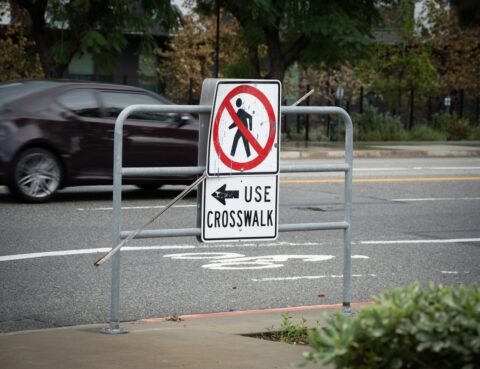
Getting hit by a car while crossing outside a crosswalk raises an immediate worry. Many people assume that jaywalking means they have no case at all. That assumption is not entirely true. It is also not entirely false anymore either. A jaywalking accident claim in NY depends heavily on how fault gets divided between you and the driver. A recent change to state law has made that division matter more than it used to.
This blog walks through how jaywalking affects liability. It covers what changed in New York law in 2026. It also shows what you can still recover depending on how fault is split. Building a strong jaywalking accident claim in NY now depends more than ever on the specific facts of your crash.
1. Understanding Right of Way and Jaywalking Under New York Law
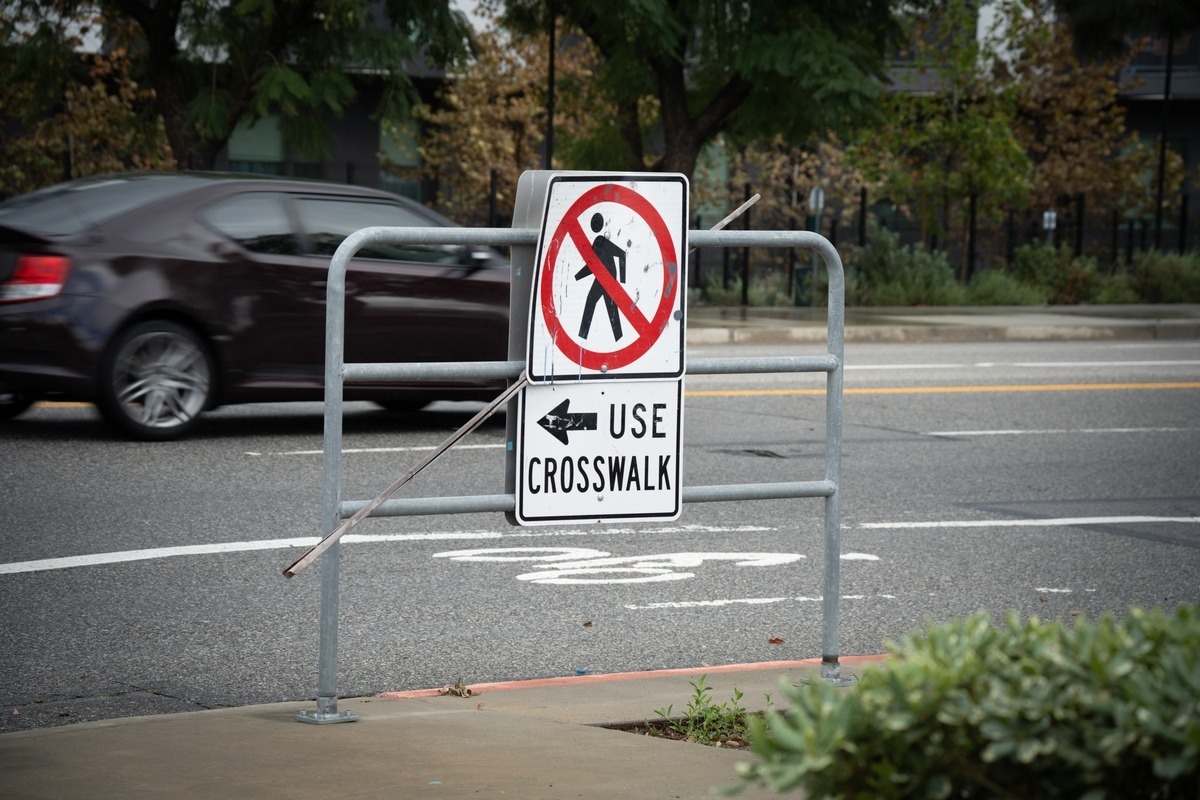
New York does not use the word “jaywalking” in its statutes. According to New York Vehicle and Traffic Law Section 1152, the relevant rule governs pedestrians crossing outside a marked or unmarked crosswalk.
Under that section, a pedestrian crossing at any point other than a crosswalk must yield to vehicles on the road. This does not make jaywalking illegal in the way many people assume. It means the pedestrian carries a duty to yield, not that a driver is free to strike them without consequence.
Drivers still have a duty to drive with reasonable care. This includes watching for pedestrians, even outside of a marked crosswalk. A driver who was speeding, distracted, or careless can still bear significant fault for a crash. This holds true even if the pedestrian was crossing mid-block. Our Pedestrian Accident practice page covers how our team evaluates these cases generally.
2. Why Jaywalking Alone Does Not End Your Case
Being outside a crosswalk affects how fault gets allocated. It does not automatically end your right to pursue a claim. New York looks at the full picture of what happened, not just where you were standing when you crossed.
For general guidance on filing a pedestrian injury claim in New York, see our earlier post, Can You File a Personal Injury Claim for a Pedestrian Accident in New York? Several factors typically get weighed alongside the crossing location in a case like this:
- How fast the driver was traveling at the time of the crash
- Whether the driver was distracted, impaired, or otherwise careless
- Visibility conditions, including lighting, weather, and any obstructions
- Whether the pedestrian had already crossed most of the road before being struck
- Whether the driver had time to see and react to the pedestrian
A driver’s own carelessness can offset a pedestrian’s fault for crossing outside a crosswalk. The specifics of your crash decide the outcome of a jaywalking accident claim in NY, not a blanket rule about jaywalking itself.
3. A Recent Change to New York's Comparative Negligence Rule
For decades, New York followed a pure comparative negligence rule. This came from CPLR Section 1411. That rule let an injured person recover damages no matter how much fault they carried. Their award was simply reduced by their own percentage of fault.
That rule changed for certain cases in 2026. According to the current text of CPLR Section 1411, a new subsection now applies to certain personal injury actions. This covers actions under Article 51 of the Insurance Law, New York’s No-Fault Law. Motor vehicle crashes involving pedestrians generally fall under this article. Pedestrians struck by vehicles are covered persons under the No-Fault system.
Under this newer rule, your own fault matters more directly. If it is greater than the driver’s fault, your claim for damages beyond no-fault benefits can be barred entirely, not just reduced. This applies to actions filed on or after May 26, 2026. If your case was already filed before that date, the older pure comparative negligence rule may still apply to it.
This change makes fault percentage genuinely decisive in a way it was not before. A pedestrian found 40 percent at fault can still recover a reduced award. A pedestrian found 60 percent at fault may recover nothing beyond their no-fault benefits.
4. How Fault Percentage Is Determined in a Pedestrian Case
Fault percentage is not decided by a fixed formula. It gets determined through evidence, negotiation, and sometimes a jury verdict. Insurance adjusters weigh these factors. So do courts, if a case goes to trial.
A jaywalking accident claim in NY can now be completely barred if you are found majority at fault. This means the evidence gathered after your crash carries more weight than it used to. A well-documented case can be the difference between a reduced award and no recovery at all.
This is also why insurers have new incentive to argue a pedestrian was mostly at fault. A finding of 51 percent pedestrian fault, instead of 49 percent, can now eliminate an entire tort claim. Understanding this shift matters for anyone evaluating a settlement offer.
5. What You Can Still Recover Even When Partly at Fault
No-fault benefits are not affected by this change. Your Personal Injury Protection coverage pays for medical bills and a portion of lost wages. It applies regardless of who was at fault for the crash. The new rule only affects your ability to pursue additional damages beyond those benefits. This includes things like pain and suffering.
If your fault percentage is 50 percent or less, you can still pursue those additional damages. They are simply reduced by your share of fault. Recoverable damages can include:
- Pain and suffering and emotional distress
- Lost income beyond what no-fault benefits cover
- Future medical costs tied to lasting injuries
- Reduced earning capacity if your injuries affect your ability to work
Whether you clear that 50 percent line often comes down to details that are not obvious at first glance. This is why an early legal evaluation of your jaywalking accident claim in NY matters.
6. Steps That Help Protect Your Jaywalking Accident Claim in NY
Fault percentage now carries higher stakes. The evidence you gather early can directly affect whether you recover anything beyond no-fault benefits. After a crash, it helps to:
- Seek medical attention immediately, even if injuries seem minor
- Photograph the crash location, including lighting, sightlines, and any obstructions
- Identify and get contact information from witnesses before they leave
- Note the exact point where you were crossing relative to the nearest crosswalk
- Avoid admitting fault at the scene, even casually, since statements can be used later
- Speak with an attorney before giving a recorded statement to any insurer
None of these steps guarantee a specific outcome. But skipping them can make it harder to push your fault percentage below the line that determines whether you recover at all.
7. Frequently Asked Questions
Does this new rule mean jaywalking pedestrians can never win a case anymore?
No. It only bars recovery when the pedestrian’s fault is found to be greater than the driver’s. Many jaywalking accidents still result in the driver carrying the majority of fault. This is especially true when speeding, distraction, or poor visibility played a role.
Are my no-fault medical benefits affected by this change?
No. Personal Injury Protection benefits are paid regardless of fault. This change only affects lawsuits seeking damages beyond what no-fault covers, such as pain and suffering.
How do I know if the new rule or the old rule applies to my case?
It depends on when your lawsuit or claim is filed, not necessarily when the accident happened. Cases filed on or after May 26, 2026 fall under the new rule. An attorney can help you understand which rule applies to your situation.
Can a driver still be found mostly at fault even if I was jaywalking?
Yes. Crossing outside a crosswalk is one factor among several in a jaywalking accident claim in NY. A driver who was speeding or distracted can still bear most of the fault. The same goes for a driver who failed to brake in time.
What if I was crossing partway through a crosswalk when the signal changed?
That is a different situation than jaywalking. New York law gives pedestrians who already began crossing during a walk signal the right to finish safely. This can significantly affect how fault is assigned.
8. Moving Forward After Your Accident
Being outside a crosswalk when you were hit does not automatically mean you have no case. It does mean the details of your crash matter more than ever under New York’s updated law. Fault percentage now determines more than how much you recover. It can determine whether you recover anything beyond no-fault benefits at all.
For pedestrians hurt in Queens, our Pedestrian Accident Lawyer in Flushing, NY page covers how our team approaches cases in that area specifically.
💡Key Takeaways
- New York does not use the term jaywalking in its statutes, but Vehicle and Traffic Law Section 1152 requires pedestrians crossing outside a crosswalk to yield to vehicles.
- A 2026 change to CPLR Section 1411 now bars recovery of damages beyond no-fault benefits if a pedestrian’s fault is found greater than the driver’s fault, for cases filed on or after May 26, 2026.
- No-fault Personal Injury Protection benefits are unaffected by this change and apply regardless of who was at fault for the crash.
- Fault percentage is decided by evidence and the specific facts of the crash, including driver speed, distraction, and visibility, not by a fixed rule about crossing location.
- Early evidence gathering matters more than ever, since a shift of just a few percentage points in fault can determine whether a pedestrian recovers anything beyond no-fault benefits.
HIT WHILE CROSSING OUTSIDE A CROSSWALK AND UNSURE WHERE YOU STAND?
Were you injured while crossing, and are you trying to understand how fault and this recent change might affect your jaywalking accident claim in NY? Speaking with a personal injury attorney can help you evaluate your options.
Disclaimer: This article is for informational purposes only and does not constitute legal advice. Every pedestrian accident case is different, and outcomes depend on individual circumstances. Reading this content does not create an attorney-client relationship. If you have been injured and are considering legal action, consult with a qualified attorney who can evaluate the specific facts of your situation.
References
New York State Senate. Vehicle and Traffic Law Section 1152, Crossing at Other Than Crosswalks. https://www.nysenate.gov/legislation/laws/VAT/1152
New York State Senate. Civil Practice Law and Rules Section 1411, Damages Recoverable When Contributory Negligence or Assumption of Risk Is Established. https://www.nysenate.gov/legislation/laws/CVP/1411


Does New York's No-Fault Insurance Cover Motorcycle Accidents?
Table of Contents
- 1. Why Motorcycles Are Treated Differently Under New York Insurance Law
- 2. What No-Fault Insurance Normally Covers for Drivers and Passengers
- 3. The Specific Exclusion That Applies to Motorcycle Riders
- 4. How Injured Riders Can Still Recover Compensation
- 5. What Happens If You Are Hit by an Uninsured Driver
- 6. Steps to Protect Your Motorcycle Accident Insurance in NY Claim
- 7. Frequently Asked Questions
- 8. Why Understanding This Exclusion Matters Before You Ride
Most New York drivers assume that no-fault insurance works the same way no matter what they are driving. For motorcycle riders, that assumption can be costly. Understanding how motorcycle accident insurance in NY actually works, and where it differs sharply from standard auto coverage, can change how you approach medical bills and a potential claim after a crash.
This blog explains why motorcycles are excluded from New York’s no-fault system, what that means for an injured rider, and what steps to take if you are hurt in a crash. Whether you are trying to understand motorcycle accident insurance in NY for the first time or you are already dealing with a claim, the distinctions below matter.
1. Why Motorcycles Are Treated Differently Under New York Insurance Law
New York’s no-fault system was built around a specific idea. Insurance pays for basic medical costs and lost wages after a crash, regardless of who caused it, in exchange for limiting most lawsuits to serious injury cases.
When lawmakers wrote the No-Fault Law in the 1970s, they defined which vehicles the system applies to. According to New York Insurance Law Section 5102, the definition of “motor vehicle” for no-fault purposes specifically excludes motorcycles. The statute treats motorcycles as their own category entirely, separate from cars, trucks, and other passenger vehicles.
This was not an oversight. Insurers and legislators at the time argued that motorcycles carried a different risk profile than enclosed vehicles, and that including them in the no-fault pool would raise costs across the board. Whether or not that reasoning still holds up today, the exclusion remains a defining feature of motorcycle accident insurance in NY.
2. What No-Fault Insurance Normally Covers for Drivers and Passengers
To understand what riders are missing, it helps to know what no-fault insurance actually pays for when it does apply. For most car accidents in New York, basic no-fault coverage includes:
- Medical and hospital expenses related to the accident
- Up to 80 percent of lost earnings, up to a set monthly cap
- Reasonable expenses like transportation to medical appointments
- A limited death benefit paid to an eligible person’s estate
Our earlier post, What Does No-Fault Insurance Cover in New York, breaks down these benefits in more detail for standard vehicle accidents. That coverage kicks in automatically for a car accident, without anyone needing to prove fault first.
3. The Specific Exclusion That Applies to Motorcycle Riders
The exclusion for motorcycles is written directly into New York’s consumer-facing insurance guidance, not buried in obscure legal language. According to the New York Department of Financial Services, a person is ineligible for no-fault benefits if they were riding an all-terrain vehicle or a motorcycle as the operator or passenger at the time of the accident.
There is one notable exception worth knowing. A pedestrian who is struck by a motorcycle is still covered under no-fault, even though the motorcyclist and any passenger are not. That distinction matters if a rider’s motorcycle strikes someone walking or standing nearby.
Because motorcyclists are excluded, they are not required to meet the “serious injury” threshold that limits car accident victims to lawsuits only in specific circumstances. In practice, this means an injured rider can typically pursue a full negligence claim right away, without waiting to exhaust no-fault benefits first. This is one of the most important distinctions in how motorcycle accident insurance in NY actually functions.
4. How Injured Riders Can Still Recover Compensation
Being excluded from no-fault does not mean a rider has no options. It shifts how compensation is pursued. Instead of an automatic payout from an insurer, an injured motorcyclist generally has to establish that the other driver was at fault.
Compensation in a successful motorcycle accident claim can include:
- Medical expenses, both past and anticipated future treatment
- Lost income, including reduced future earning capacity in serious cases
- Pain and suffering, which is generally unavailable under no-fault
- Property damage to the motorcycle and related gear
Because there is no no-fault threshold to clear first, riders can pursue these damages directly through a claim against the at-fault driver’s liability insurance or through a lawsuit if a fair settlement is not offered.
5. What Happens If You Are Hit by an Uninsured Driver
Motorcycle accidents involving an uninsured or underinsured driver create an added complication, since there is no no-fault benefit to fall back on while the claim is sorted out. In these situations, a rider’s own uninsured motorist coverage, if purchased, becomes especially important.
If a rider does not have that coverage and was struck by an uninsured or unidentified driver, the Motor Vehicle Accident Indemnification Corporation, commonly known as MVAIC, may be able to help. MVAIC exists specifically to provide a source of recovery for people who would otherwise have no insurance to pursue after a crash.
Reporting the accident quickly matters here. Both uninsured motorist claims and MVAIC claims come with strict notice deadlines that are far shorter than the general statute of limitations for personal injury cases, which makes prompt reporting an essential part of managing motorcycle accident insurance in NY after an uninsured driver is involved.
6. Steps to Protect Your Motorcycle Accident Insurance in NY Claim
Since motorcycle accident insurance in NY usually depends on proving fault rather than an automatic payout, the evidence gathered early on carries more weight than it would in a typical no-fault car accident. After a crash, it helps to:
- Seek medical attention immediately, even if injuries seem minor at first
- Photograph the scene, including road conditions, vehicle damage, and any visible injuries
- Get contact and insurance information from every driver involved
- Identify witnesses and ask for their contact details before they leave
- Avoid giving a recorded statement to any insurance company before speaking with an attorney
None of these steps require special legal knowledge, but skipping them can make a fault-based claim significantly harder to prove later.
7. Frequently Asked Questions
Can I use my health insurance instead of no-fault after a motorcycle accident?
Yes. Since no-fault does not apply to motorcyclists, health insurance is often the primary way medical bills get paid in the immediate aftermath. Some health insurers will later seek reimbursement from any settlement you recover, so it is worth understanding your policy’s lien rights.
Do I need to prove the other driver was fully at fault?
Not entirely. New York follows a comparative negligence rule, which means you can still recover damages even if you were partly responsible, though your compensation is reduced by your share of fault.
Does this exclusion apply to passengers on the motorcycle too?
Yes. Both the operator and any passenger are excluded from no-fault benefits under the same rule that applies to the rider.
What if the motorcycle accident happened outside of New York?
Coverage rules vary by state, and some states do include motorcycles under their no-fault or PIP systems. If your accident happened while riding out of state, the applicable law may be different from what is described here.
Is there any way to get no-fault-style coverage as a motorcyclist?
Some insurers offer optional medical payments coverage as an add-on to a motorcycle policy, which can help cover initial medical costs regardless of fault. It is not the same as no-fault, but it can reduce the financial gap while a claim is pending.
8. Why Understanding This Exclusion Matters Before You Ride
Many riders do not learn about this gap in coverage until after they are already dealing with an accident and mounting medical bills. Knowing in advance that no-fault will not apply changes how quickly you need to act, what coverage is worth adding to your policy, and how you should approach any conversation with an insurance adjuster.
If you were riding outside of New York when the accident happened, our Motorcycle Accident Lawyer in Elizabeth, NJ page covers how a similar exclusion applies under New Jersey law.
For more on how our firm approaches these cases generally, visit our Motorcycle Accident practice page.
💡Key Takeaways
- Motorcycles are explicitly excluded from New York’s no-fault insurance system under Insurance Law Section 5102, meaning riders cannot rely on automatic PIP benefits the way car occupants can.
- Because motorcyclists are excluded from no-fault, they are also exempt from the serious injury threshold, which allows them to pursue a full negligence claim without the added hurdle car accident victims face.
- Health insurance, not no-fault, is typically the first source of payment for a rider’s medical bills, and some health insurers may seek reimbursement from a later settlement.
- Uninsured motorist coverage and MVAIC exist as safety nets for riders hit by uninsured or unidentified drivers, though both come with strict reporting deadlines.
- Documenting the scene, seeking prompt medical care, and avoiding early statements to insurers all matter more in a fault-based motorcycle claim than they would in a standard no-fault car accident case.
STILL UNSURE HOW YOUR MOTORCYCLE ACCIDENT CLAIM WORKS WITHOUT NO-FAULT COVERAGE?
If you were injured in a motorcycle accident and are trying to understand how motorcycle accident insurance in NY works without the safety net of no-fault coverage, speaking with an experienced personal injury attorney can help clarify your options.
Disclaimer: This article is for informational purposes only and does not constitute legal advice. Every motorcycle accident case is different and outcomes depend on individual circumstances. Reading this content does not create an attorney-client relationship. If you have been injured and are considering legal action, consult with a qualified attorney who can evaluate the specific facts of your situation.
