
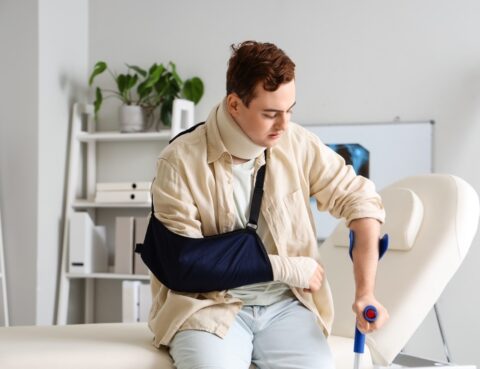

Can You File a Personal Injury Claim If the Accident Happened on Someone Else's Property?
You were hurt on someone else’s property. Maybe you slipped on an icy stoop in Flatbush, tripped over a broken sidewalk tile in Bay Ridge, or fell in a poorly lit apartment hallway in Canarsie. Now you are wondering whether you have any legal rights. The answer is yes, and what you have is the right to file a premises liability claim in Brooklyn NY. Property owners have a legal duty to keep their spaces reasonably safe for visitors. When they fail to do that and someone gets hurt, they can be held financially responsible.
This blog breaks down exactly what premises liability means, which situations qualify, who can be held responsible, and what you need to do to protect your right to compensation.
What Is a Premises Liability Claim in Brooklyn NY?
Premises liability is the area of personal injury law that applies when someone is injured because of an unsafe or defective condition on another person’s or entity’s property. Under New York law, property owners, landlords, and businesses have a legal obligation to maintain their premises in a reasonably safe condition for anyone who is lawfully on the property.
A premises liability claim in Brooklyn NY can arise from a wide range of situations, including slip and fall accidents, falling objects, inadequate security, swimming pool accidents, and injuries on construction sites. The key element in every case is negligence. To succeed in a claim, you generally need to show that the property owner knew about the dangerous condition, or should have known about it, and failed to fix it or warn visitors.
According to New York Courts, property owners are held to a standard of reasonable care under the circumstances. That standard can vary depending on who you are as a visitor and what type of property is involved.
What Types of Accidents Fall Under Premises Liability?
Many different kinds of accidents can give rise to a premises liability claim. Some of the most common situations our attorneys handle in Brooklyn include:
- Slip and fall accidents caused by wet floors, icy walkways, or spilled liquids that were not properly cleaned up
- Trip and fall accidents from broken pavement, uneven flooring, damaged steps, or hidden obstacles
- Falling objects in retail stores, warehouses, or construction zones where materials are improperly stored
- Inadequate lighting in parking lots, stairwells, hallways, or building entryways that leads to falls or criminal attacks
- Dog bites that occur on someone else’s residential or commercial property
- Swimming pool accidents where pool owners failed to maintain proper fencing, lighting, or safety equipment
- Elevator and escalator injuries caused by mechanical failures or improper maintenance in apartment buildings and commercial properties
If you are unsure whether your accident qualifies, speaking with an attorney is the fastest way to get a clear answer. You can learn more about how personal injury litigation works at Cherny & Podolsky before reaching out.
Who Can Be Held Responsible for a Premises Liability Claim?
One of the first questions people ask is: who exactly is responsible? In many cases the answer is not just the property owner. New York law recognizes that responsibility can extend to several parties depending on the circumstances.
Property Owners
Whether it is a private homeowner, a landlord, or a corporation that owns a building, the owner is typically the primary responsible party. They are legally required to inspect, maintain, and repair their property or warn visitors of known hazards.
Tenants and Businesses
If a business leases a commercial space and a customer is injured inside, the tenant business may share liability alongside the building owner. The lease agreement often determines who was responsible for maintaining specific areas.
Government Entities
Accidents on public sidewalks, parks, or government-owned properties involve different rules and shorter deadlines. In New York City, a Notice of Claim must typically be filed within 90 days of the accident before any lawsuit can proceed. This is a critical step that many injured people miss.
Property Management Companies
Many Brooklyn apartment buildings and commercial properties are managed by third-party companies. If the management company was responsible for maintenance and failed to act on a known hazard, they can also be named in a premises liability claim in Brooklyn NY.
What Does New York Law Say About Visitor Status?
Not everyone who gets hurt on someone else’s property has the same legal standing. New York law categorizes visitors into three groups, and the category you fall into can affect the strength of your claim.
Invitees are people who enter a property for a business purpose, such as customers at a store or clients at an office. Property owners owe invitees the highest duty of care.
Licensees are social guests or others who enter with permission. Property owners must warn licensees of known hazards that are not obvious.
Trespassers generally cannot bring a premises liability claim unless the property owner acted with intentional or reckless disregard for their safety. There is a major exception for children under the “attractive nuisance” doctrine, which applies to things like unfenced swimming pools or playground equipment that may draw children onto a property.
According to the New York State Legislature, the exact duty owed by a property owner is shaped by these categories along with the specific facts of each case.
What You Need to Prove to Win a Premises Liability Case
To succeed in a premises liability claim in Brooklyn NY, your attorney will need to establish four key elements:
1. The property owner owed you a duty of care. This is established by showing you were lawfully on the property as an invitee or licensee.
2. The property owner breached that duty. This means they failed to fix a dangerous condition they knew about or should have discovered through reasonable inspection.
3. The breach caused your injury. There must be a direct connection between the owner’s failure to act and the harm you suffered.
4. You suffered actual damages. Medical bills, lost wages, and pain and suffering are all forms of compensable damages in New York personal injury cases.
New York follows a comparative negligence rule, which means that even if you were partially at fault for your accident, you can still recover compensation. Your award would simply be reduced by your percentage of fault. You can read more about how comparative negligence works in our blog post on what comparative negligence means for your injury claim.
How Long Do You Have to File a Claim in New York?
In New York, the statute of limitations for a premises liability claim in Brooklyn NY is generally three years from the date of the accident. This means you have three years to file a lawsuit in civil court. However, there are important exceptions:
- Claims against a government entity require a Notice of Claim filed within 90 days of the accident
- Claims involving minors may have extended deadlines that run from the child’s 18th birthday
- Medical treatment delays can sometimes affect when the clock starts in certain cases
Missing a deadline eliminates your right to compensation no matter how strong your case is. This is why speaking with an attorney as soon as possible after an accident matters. Learn more about working with a personal injury attorney in Brooklyn to understand your options before time runs out.
What Steps Should You Take After an Accident on Someone Else's Property?
What you do in the hours and days immediately after your accident can make or break your premises liability claim. Here is what you should do:
Seek medical attention immediately. Even if your injuries seem minor, seeing a doctor creates a medical record that connects your injuries to the accident. Delays in treatment are frequently used by insurance companies to argue the injuries are not serious or were not caused by the accident.
Report the accident. Notify the property owner, store manager, or landlord right away. Ask for a written incident report and keep a copy.
Document the scene. Take photographs of the hazard that caused your fall, the area around it, any warning signs that were or were not present, and your visible injuries.
Collect witness information. If anyone saw what happened, get their name and phone number before they leave.
Preserve your clothing and footwear. These items can serve as physical evidence in your case. Do not wash or discard them.
Do not give a recorded statement to the property owner’s insurance company. Insurance adjusters are trained to use your own words against you. Speak to an attorney first.
Frequently Asked Questions
Can I file a premises liability claim if I was a guest at someone's home?
Yes. Social guests who are invited onto private property have legal standing to file a claim if the property owner’s negligence caused their injury. Homeowner’s insurance typically covers these situations, which is often how compensation is paid.
What if the property owner says I should have watched where I was going?
This is one of the most common defenses in premises liability cases. Under New York’s comparative negligence rules, even if you were partly at fault for not noticing a hazard, you can still recover compensation. The final award is simply reduced by your share of fault. A premises liability claim in Brooklyn NY is still worth pursuing even if the defense raises this argument.
What if the dangerous condition was temporary, like a spill?
Temporary hazards can still support a valid claim. The question is whether the property owner or their staff knew about the condition, or whether enough time had passed that they should have discovered and cleaned it up. Supermarkets, restaurants, and retail stores are frequently sued over spills for exactly this reason.
How much is a premises liability claim worth in Brooklyn?
Compensation depends on the severity of your injuries, your medical expenses, lost income, and the degree of the property owner’s negligence. Serious injuries involving surgery, long-term rehabilitation, or permanent disability typically result in significantly higher settlements. There is no fixed formula, which is why a case evaluation with an attorney matters.
Do I need a lawyer to file a premises liability claim?
You are not legally required to hire an attorney, but premises liability cases involve complex liability standards, insurance negotiations, and tight legal deadlines. Having experienced legal representation significantly improves your chances of recovering full compensation. Most personal injury attorneys, including our team, work on a contingency fee basis, meaning you pay nothing unless you win.
You Have Rights. You Should Use Them.
Getting hurt on someone else’s property is disorienting and stressful, especially when you are dealing with physical pain, time off work, and mounting medical bills. But the law is on your side when a property owner’s negligence caused your injury. Filing a premises liability claim in Brooklyn NY is one way injured victims may pursue compensation through a broader personal injury attorney in Brooklyn NY claim and hold the responsible party accountable.
Cherny & Podolsky has been helping injured Brooklyn residents navigate premises liability and personal injury cases since 2008. Our team works on a contingency basis, meaning there are no upfront costs and no fees unless we win. If you were injured on someone else’s property, contact us today for a free, confidential case review.
References:
New York Court of Appeals. (1976). Basso v. Miller, 40 N.Y.2d 233, 386 N.Y.S.2d 564, 352 N.E.2d 868. https://www.nycourts.gov/reporter/3dseries/2004/2004_03854.htm
New York State Legislature. (2025). New York Civil Practice Law and Rules, Section 214: Actions to be commenced within three years — personal injury. https://www.nysenate.gov/legislation/laws/CVP/214
New York State Legislature. (2025). New York General Municipal Law, Section 50-e: Notice of claim requirements for actions against public corporations. https://www.nysenate.gov/legislation/laws/GMU/50-E
New York State Legislature. (2025). New York General Municipal Law, Section 50-i: Presentation of tort claims; commencement of actions. https://www.nysenate.gov/legislation/laws/GMU/50-I
Disclaimer
The information provided in this blog post is intended for general informational purposes only and does not constitute legal advice. Reading this article does not create an attorney-client relationship between you and Cherny & Podolsky PLLC. Every legal situation is unique, and the laws governing premises liability claims in New York are subject to change. The content on this page reflects general principles of New York law and should not be relied upon as a substitute for professional legal counsel tailored to your specific circumstances. If you have been injured on someone else’s property, you should consult with a qualified personal injury attorney to discuss your individual case. Cherny & Podolsky PLLC serves clients in Brooklyn, New York, and surrounding areas.


Injured Due to Someone Else's Negligence in Brooklyn, NY? Here's What Matters Most
You did not expect to get hurt. Maybe you were in a car accident caused by a distracted driver. Maybe you slipped on a hazard that a property owner ignored for weeks. Maybe you were injured at work because safety rules were not followed. Whatever happened, you are now dealing with pain, medical bills, and uncertainty about what comes next. If you are searching for a personal injury lawyer near Brooklyn because someone else’s negligence caused your injury, that uncertainty is exactly why understanding your legal rights matters.
New York law gives injured victims the right to pursue compensation when someone else’s failure to act responsibly caused their injury. This guide covers how negligence is defined, what types of accidents qualify, how liability is determined, and what steps to take to protect your claim from the start. Working with an experienced injury lawyer in Brooklyn can make a significant difference in how your case is handled from day one.
Understanding Negligence and Why It Matters in Injury Cases
Negligence is the legal foundation of most personal injury claims. It refers to a failure to act with reasonable care that results in harm to another person. Negligence can arise in everyday situations where safety should reasonably be expected.
An experienced attorney focuses on identifying whether negligence occurred and how it directly contributed to an injury. This involves careful legal analysis rather than assumptions about fault or responsibility.
What Legally Defines Negligence
To establish negligence, four elements are typically required: a duty of care, a breach of that duty, a direct connection between the breach and the injury, and measurable damages. Each element must be supported by evidence rather than speculation.
Negligence cases are evaluated individually, as even small details can significantly influence legal outcomes. This is why early legal guidance is often critical. According to Cornell Law School’s Legal Information Institute, negligence claims require courts to examine whether a reasonable person in the same situation would have acted differently — a standard that shapes how every case is evaluated.
Why Negligence Claims Are Fact-Specific
No two injury cases are identical. The circumstances surrounding how an injury occurred often determine whether negligence can be proven. Timing, location, actions taken, and available evidence all play a role.
Your attorney reviews documentation such as reports, photographs, witness statements, and medical records to develop a clear and accurate claim strategy.
Common Situations Where Negligence Leads to Injury
Negligence can occur in many different settings. Understanding the most common scenarios helps injured individuals recognize when legal action may be appropriate.
Motor Vehicle Accidents
Traffic accidents remain one of the most common causes of personal injury claims in New York. Negligent driving behaviors may include distracted driving, speeding, failure to yield, or driving under the influence.
According to the Centers for Disease Control and Prevention, motor vehicle crashes remain a leading cause of injury nationwide and often result in long-term physical and emotional effects. An attorney examines accident reports, roadway conditions, and insurance coverage to determine liability.
Slip and Fall and Premises Liability
Property owners have a legal responsibility to maintain reasonably safe conditions. Hazards such as wet floors, uneven sidewalks, broken steps, or inadequate lighting can lead to serious injuries when not properly addressed.
In these cases, determining whether the property owner knew or should have known about the hazard is essential. Your legal team evaluates maintenance records, inspection practices, and incident history to build your case.
Construction and Workplace Accidents
Ongoing construction activity presents daily risks for workers and pedestrians throughout New York. Falls from heights, equipment malfunctions, and safety violations are common contributors to serious injuries.
While workers’ compensation may apply in some situations, negligence by third parties can create additional legal options. Understanding these distinctions is important when seeking full compensation. Reviewing the full range of practice areas handled by our firm can help you identify which legal avenue best fits your situation.
What to Do Immediately After an Injury Caused by Negligence
The steps taken after an injury can significantly affect both recovery and legal outcomes. Many individuals unintentionally weaken their claims by delaying action or making uninformed decisions.
Prompt medical care should always be the first priority. Even injuries that appear minor can worsen over time, and medical records help establish a clear connection between the injury and the incident.
Documenting the scene, gathering witness contact information, and preserving physical evidence can strengthen a personal injury claim. Insurance companies may contact you quickly, but speaking with an attorney before providing detailed statements can help protect your legal rights.
The Role of Evidence in Strengthening an Injury Claim
Strong evidence is often the most important factor in determining whether a personal injury claim succeeds. Insurance companies and courts rely on documentation rather than verbal explanations alone.
Medical records explain the nature of injuries, required treatment, and anticipated recovery. Accident reports and witness statements provide independent accounts that support claims.
Your legal team organizes and presents this information clearly to demonstrate how negligence led to injury and resulting damages.
Types of Compensation Available in Personal Injury Cases
When an injury is caused by negligence, compensation is intended to address both financial losses and the personal impact of the injury. The specific damages available depend on the nature of the accident and the severity of the injuries involved.
Economic Damages and Financial Losses
Economic damages cover measurable financial costs related to an injury. These damages are typically supported by bills, receipts, employment records, and expert evaluations.
Common examples include medical expenses, rehabilitation costs, lost wages, reduced earning capacity, and property damage. Accurate documentation plays a key role in recovering these losses.
Non-Economic Damages and Personal Impact
Non-economic damages address how an injury affects daily life beyond financial costs. Pain, emotional distress, loss of enjoyment of activities, and long-term limitations may all be considered.
Your attorney works to present these impacts clearly, ensuring that non-financial losses are not overlooked during negotiations or litigation.
How Insurance Companies Approach Injury Claims
Insurance companies are involved in nearly every personal injury case. Their role, however, is not to advocate for injured individuals but to protect their own financial interests. Understanding how insurers operate helps you avoid common pitfalls.
Initial Claim Reviews and Investigations
After a claim is filed, insurers often conduct their own investigation. This may include reviewing statements, medical records, and accident reports. Adjusters may question the severity of injuries or argue that treatment was unnecessary. Having legal representation ensures your claim is supported by accurate and complete information.
Settlement Offers and Negotiation Tactics
Early settlement offers are often lower than the true value of a personal injury claim. These offers may come before the full extent of injuries or long-term effects are known. Legal representation helps ensure negotiations reflect current and future losses rather than short-term assessments.
Why Legal Representation Matters Throughout the Process
Navigating a personal injury claim involves legal procedures, deadlines, and strategic decisions. Attempting to manage this process alone can place you at a disadvantage.
Managing Deadlines and Legal Requirements
New York law sets specific deadlines for filing personal injury claims. Missing these deadlines can result in losing the right to seek compensation entirely. Legal representation ensures that filings, notices, and court requirements are handled accurately and on time.
Preparing for Litigation When Necessary
While many cases resolve through settlement, some require litigation to achieve fair outcomes. Preparing for trial involves evidence presentation, witness coordination, and legal argument. Having an attorney prepared to litigate strengthens your negotiating position and demonstrates commitment to the case.
The Importance of Medical Consistency During a Claim
Consistent medical care is critical not only for recovery but also for protecting the strength of your personal injury claim. Gaps in treatment are often used by insurance companies to question the seriousness of injuries.
Medical records help establish a clear timeline linking the injury to the negligent act. Your attorney may work closely with medical documentation to ensure injuries and limitations are accurately represented.
According to the National Institutes of Health, continuity of care plays an important role in patient outcomes and long-term recovery, particularly for injury-related conditions.
When Settlement Is Not Enough
While many injury claims are resolved through settlement, some situations require litigation to achieve fair compensation. This often occurs when insurers deny responsibility, undervalue damages, or dispute medical evidence.
Litigation allows evidence to be presented formally and decisions to be made by a judge or jury. Thorough case preparation ensures clients are positioned strongly whether negotiating or proceeding to court.
How Negligence Claims Affect Long-Term Financial Stability
A personal injury caused by negligence can create financial challenges that extend far beyond immediate medical bills. Ongoing treatment, rehabilitation, and time away from work can strain household finances and disrupt long-term plans.
Your attorney helps evaluate not only current expenses but also future financial impact. This may include reduced earning capacity, anticipated medical needs, and costs related to permanent limitations. Addressing these factors early helps ensure compensation reflects the full scope of loss rather than only short-term expenses.
Why Early Legal Guidance Can Strengthen a Negligence Claim
Timing plays a critical role in personal injury cases, especially when evidence and documentation must be preserved. Delays can result in missing records, fading witness memories, or incomplete medical timelines. Consulting a personal injury lawyer near Brooklyn NY early allows these risks to be addressed before they affect your claim.
Your legal team can begin gathering evidence, coordinating medical documentation, and managing insurance communications immediately. Early legal guidance also helps you avoid common mistakes, such as accepting premature settlement offers or providing statements without understanding the potential consequences.
Frequently Asked Questions
1. How do I know if I have a valid personal injury claim?
A valid claim generally exists when an injury is caused by another party’s failure to act responsibly. This includes proving negligence, documenting injuries, and showing financial or personal impact. An attorney can review the details of your situation and explain whether legal action may be appropriate.
2. What if the injury symptoms appeared days later?
Delayed symptoms are common, especially with soft tissue injuries, concussions, or spinal issues. Seeking medical care as soon as symptoms appear is important. Medical records help connect delayed symptoms to the original incident and protect the integrity of your claim.
3. Can I still recover compensation if I was partially at fault?
Yes. New York follows a comparative negligence rule, meaning compensation may still be available even if you share some responsibility. The total recovery may be reduced based on the percentage of fault assigned.
4. How much does it cost to speak with a personal injury lawyer?
Many personal injury cases are handled on a contingency basis, meaning legal fees are typically paid only if compensation is recovered. Speaking with an attorney can clarify fee structures and expectations before moving forward.
5. What types of evidence are most important in these cases?
Medical records, accident reports, photographs, witness statements, and expert opinions are all valuable. Strong documentation helps demonstrate how negligence occurred and how injuries have affected your daily life.
Get Legal Support After a Negligence Injury in New York
A personal injury caused by someone else’s negligence can have lasting effects on your health, finances, and overall quality of life. If you believe someone else may be responsible for your injury, understanding your legal options is an important step forward.
Cherny & Podolsky PLLC works with individuals seeking clarity, accountability, and fair resolution after injury. Speaking with a personal injury attorney in Brooklyn, NY can help you understand your rights and determine the best path ahead. Contact us today to discuss your situation and take the first step toward protecting your future.
Disclaimer
This article is provided for informational purposes only and should not be considered legal advice. Personal injury laws and legal procedures may vary depending on the facts of each case. Reading this content does not create an attorney-client relationship. Individuals seeking legal guidance about a specific situation should consult a qualified attorney who can evaluate their case and provide appropriate legal advice.
