
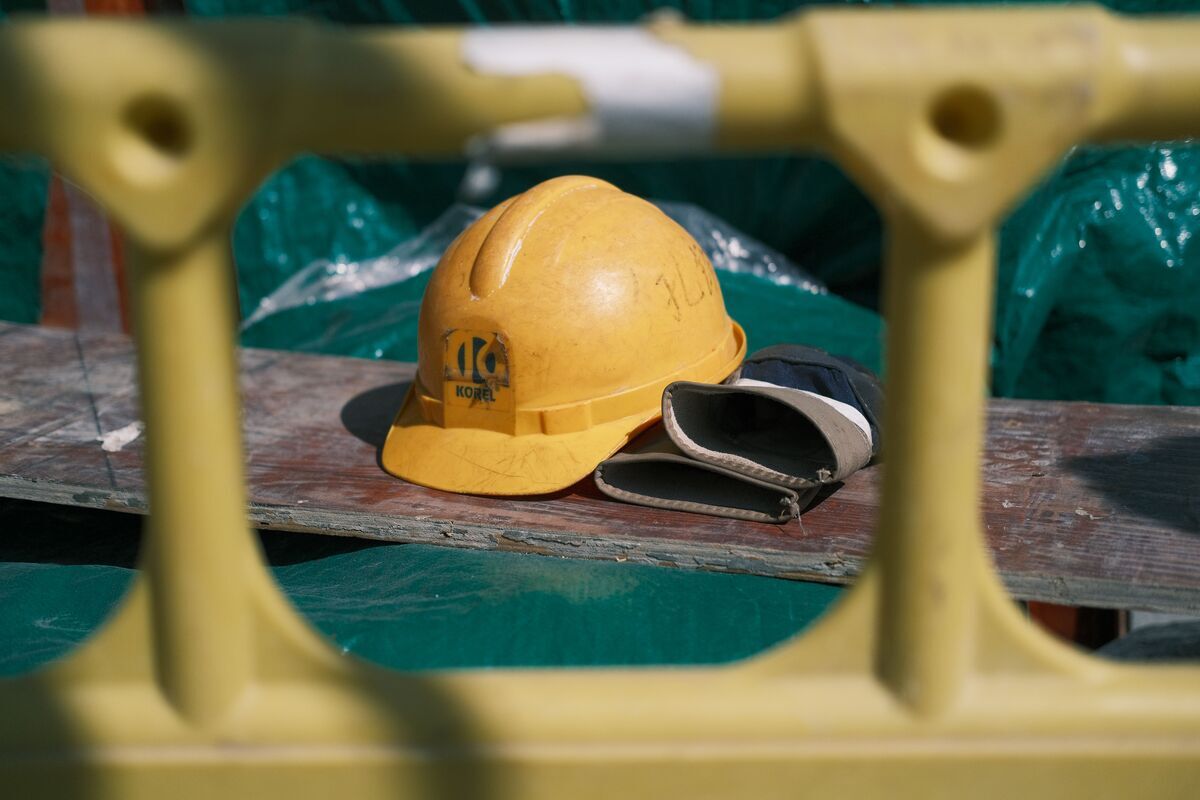
Can You Sue a Third Party After a Work-Site Accident in New York?
Table of Contents
- 1. Workers' Comp Is Not Always Your Only Option
- 2. The Legal Right to Sue a Negligent Third Party
- 3. Who Counts as a Third Party at a Work Site
- 4. Construction Sites: An Extra Layer of Protection
- 5. How Workers' Comp and a Third-Party Claim Work Together
- 6. What You Can Recover in a Third-Party Claim
- 7. Frequently Asked Questions
- 8. Building Your Work Injury Claim in NY
Most injured workers assume workers’ comp is their only source of money after a job site accident. That assumption is often wrong.
If someone other than your employer contributed to your injury, you may have a separate legal option. A work injury claim in NY can sometimes include two things at once. This means a workers’ comp claim and a lawsuit against a negligent third party.
This blog explains when that second option exists. It covers who can be sued and how the two claims interact.
1. Workers' Comp Is Not Always Your Only Option
Workers’ compensation exists for one main reason: fast, no-fault benefits after a job injury. You do not need to show your employer was careless. In exchange, you generally cannot sue your employer directly.
That trade-off only applies to your employer, though. It does not protect every party connected to your accident. A work injury claim in NY can still target other responsible parties. Our Work-site Accident practice page covers how our firm evaluates both sides of your case, the comp claim and any possible third-party lawsuit.
2. The Legal Right to Sue a Negligent Third Party
According to New York Workers’ Compensation Law Section 29, an injured employee can take workers’ comp benefits. They can also still pursue a separate legal action. This applies against anyone whose negligence contributed to the injury, as long as that person is not in the same employ.
This is often called a third-party claim. It exists because workers’ comp only limits claims against your boss. It was never meant to shield outside companies from their own carelessness.
There is a catch, though. Your comp insurance carrier typically has a lien on any recovery from the third-party case. This means part of your settlement may go toward reimbursing benefits you already received.
3. Who Counts as a Third Party at a Work Site
A third party is simply anyone involved in your accident who is not your direct employer. This category shapes what a work injury claim in NY can actually cover. Depending on your job site, this could include:
- A general contractor or subcontractor who was not your direct employer
- A property owner in charge of the site where you were hurt
- An equipment manufacturer if defective machinery caused your injury
- A delivery driver or vendor who caused an accident on the premises
- A maintenance company responsible for a hazard that led to your injury
Work sites often involve several companies working side by side. That overlap is exactly why these claims come up so often.
4. Construction Sites: An Extra Layer of Protection
Construction workers get an additional layer of protection that other workers do not. According to New York Labor Law Section 240, known as the Scaffold Law, property owners and contractors can be held liable for gravity-related injuries. This includes falls or being struck by falling objects, regardless of the worker’s own conduct.
This law only covers construction, demolition, alteration, and excavation work. It does not cover warehouses, retail stores, or offices. Workers in those settings still have third-party rights under the general rule in Section 2. They just do not get this construction-specific protection layered on top.
We cover construction-specific claims in more depth in our post, Can You File a Personal Injury Claim for a Construction Accident in Brooklyn, NY?
5. How Workers' Comp and a Third-Party Claim Work Together
These two claims are not either-or. You can pursue both at the same time in most cases.
A work injury claim in NY can move forward on both tracks together. Workers’ comp pays your medical bills and part of your lost wages right away. This happens while your case is pending, no matter how the third-party claim turns out.
If the third-party claim later results in a settlement or verdict, the comp carrier’s lien gets paid first out of that recovery. What is left after the lien and legal costs goes to you. This structure lets you get quick support through comp. At the same time, you can still pursue full compensation through the third-party case.
6. What You Can Recover in a Third-Party Claim
Workers’ comp pays only so much, by design. A third-party claim opens the door to money that comp does not cover, including:
- Pain and suffering
- Full lost wages, not just the reduced percentage comp pays
- Loss of future earning capacity
- Emotional distress in serious cases
- Compensation for permanent injury or disfigurement
This is often the biggest reason a work injury claim in NY becomes worth pursuing beyond the initial comp claim. Comp alone rarely covers the full financial impact of a serious injury.
7. Frequently Asked Questions
Can I sue a coworker who caused my accident?
Generally, no. Workers’ comp is typically your exclusive remedy against coworkers acting within the scope of their job, not just your employer. There are narrow exceptions. It is worth discussing the specific facts with an attorney.
Does filing a third-party claim affect my workers' comp benefits?
It should not reduce your ongoing comp benefits while the case is pending. The main financial interaction on a work injury claim in NY happens later. That is when the comp carrier’s lien gets repaid out of any third-party settlement or verdict.
What if I was partly at fault for the accident?
New York’s comparative negligence rules generally still allow recovery even if you share some fault. Your damages are simply reduced by your percentage of responsibility.
How long do I have to file a third-party claim?
Personal injury claims in New York generally must be filed within three years. Claims against a government entity often have much shorter notice deadlines instead. Acting early protects your options.
Do I need a different lawyer for the comp claim and the third-party claim?
Not necessarily. Many firms handle both claims. Others coordinate closely with a comp attorney, so the two claims work together rather than against each other.
8. Building Your Work Injury Claim in NY
Understanding that workers’ comp is not your only avenue matters from day one. The parties involved in your accident matter too. How they relate to your employer can significantly change what compensation is realistically available to you.
If you were hurt on a job site in Queens, our Work-Site Accident Lawyer in Queens, NY page covers how our team approaches cases in that borough specifically.
💡Key Takeaways
- Workers’ comp benefits are typically your exclusive remedy against your employer. They do not protect other negligent parties from being sued separately.
- New York Workers’ Compensation Law Section 29 allows injured employees to pursue both a comp claim and a third-party lawsuit. This applies to anyone outside their own employment.
- Third parties can include general contractors, property owners, equipment manufacturers, delivery vendors, and maintenance companies. It depends on the facts of the accident.
- Construction workers get an extra layer of protection under the Scaffold Law. This protection is limited to construction, demolition, and excavation work specifically.
- A third-party claim can recover damages that workers’ comp does not provide. This includes pain and suffering, full lost wages, and compensation for permanent injury.
HURT ON THE JOB AND UNSURE IF SOMEONE ELSE IS RESPONSIBLE TOO?
Were you injured at work, and do you want to understand whether a third party may share responsibility? Speaking with a personal injury attorney can help you evaluate your full range of options.
Disclaimer: This article is for informational purposes only and does not constitute legal advice. Every work-site accident case is different, and outcomes depend on individual circumstances. Reading this content does not create an attorney-client relationship. If you have been injured and are considering legal action, consult a qualified attorney. They can evaluate the specific facts of your situation.
References
New York State Senate. Workers’ Compensation Law Section 29, Remedies of Employees; Subrogation. https://www.nysenate.gov/legislation/laws/WKC/29
New York State Senate. Labor Law Section 240, Scaffolding and Other Devices for Use of Employees. https://www.nysenate.gov/legislation/laws/LAB/240
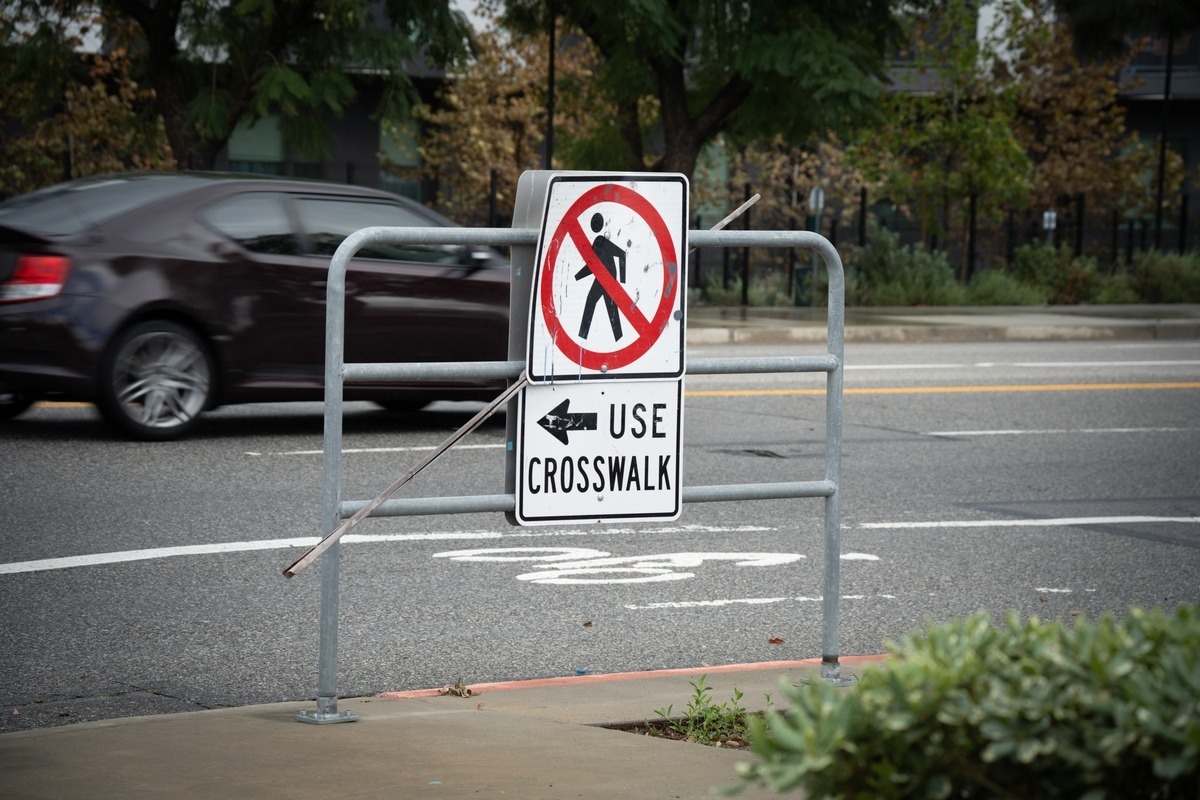
Can You Still Recover Damages If You Were Jaywalking in New York?
Table of Contents
- 1. Understanding Right of Way and Jaywalking Under New York Law
- 2. Why Jaywalking Alone Does Not End Your Case
- 3. A Recent Change to New York's Comparative Negligence Rule
- 4. How Fault Percentage Is Determined in a Pedestrian Case
- 5. What You Can Still Recover Even When Partly at Fault
- 6. Steps That Help Protect Your Jaywalking Accident Claim in NY
- 7. Frequently Asked Questions
- 8. Moving Forward After Your Accident
Getting hit by a car while crossing outside a crosswalk raises an immediate worry. Many people assume that jaywalking means they have no case at all. That assumption is not entirely true. It is also not entirely false anymore either. A jaywalking accident claim in NY depends heavily on how fault gets divided between you and the driver. A recent change to state law has made that division matter more than it used to.
This blog walks through how jaywalking affects liability. It covers what changed in New York law in 2026. It also shows what you can still recover depending on how fault is split. Building a strong jaywalking accident claim in NY now depends more than ever on the specific facts of your crash.
1. Understanding Right of Way and Jaywalking Under New York Law
New York does not use the word “jaywalking” in its statutes. According to New York Vehicle and Traffic Law Section 1152, the relevant rule governs pedestrians crossing outside a marked or unmarked crosswalk.
Under that section, a pedestrian crossing at any point other than a crosswalk must yield to vehicles on the road. This does not make jaywalking illegal in the way many people assume. It means the pedestrian carries a duty to yield, not that a driver is free to strike them without consequence.
Drivers still have a duty to drive with reasonable care. This includes watching for pedestrians, even outside of a marked crosswalk. A driver who was speeding, distracted, or careless can still bear significant fault for a crash. This holds true even if the pedestrian was crossing mid-block. Our Pedestrian Accident practice page covers how our team evaluates these cases generally.
2. Why Jaywalking Alone Does Not End Your Case
Being outside a crosswalk affects how fault gets allocated. It does not automatically end your right to pursue a claim. New York looks at the full picture of what happened, not just where you were standing when you crossed.
For general guidance on filing a pedestrian injury claim in New York, see our earlier post, Can You File a Personal Injury Claim for a Pedestrian Accident in New York? Several factors typically get weighed alongside the crossing location in a case like this:
- How fast the driver was traveling at the time of the crash
- Whether the driver was distracted, impaired, or otherwise careless
- Visibility conditions, including lighting, weather, and any obstructions
- Whether the pedestrian had already crossed most of the road before being struck
- Whether the driver had time to see and react to the pedestrian
A driver’s own carelessness can offset a pedestrian’s fault for crossing outside a crosswalk. The specifics of your crash decide the outcome of a jaywalking accident claim in NY, not a blanket rule about jaywalking itself.
3. A Recent Change to New York's Comparative Negligence Rule
For decades, New York followed a pure comparative negligence rule. This came from CPLR Section 1411. That rule let an injured person recover damages no matter how much fault they carried. Their award was simply reduced by their own percentage of fault.
That rule changed for certain cases in 2026. According to the current text of CPLR Section 1411, a new subsection now applies to certain personal injury actions. This covers actions under Article 51 of the Insurance Law, New York’s No-Fault Law. Motor vehicle crashes involving pedestrians generally fall under this article. Pedestrians struck by vehicles are covered persons under the No-Fault system.
Under this newer rule, your own fault matters more directly. If it is greater than the driver’s fault, your claim for damages beyond no-fault benefits can be barred entirely, not just reduced. This applies to actions filed on or after May 26, 2026. If your case was already filed before that date, the older pure comparative negligence rule may still apply to it.
This change makes fault percentage genuinely decisive in a way it was not before. A pedestrian found 40 percent at fault can still recover a reduced award. A pedestrian found 60 percent at fault may recover nothing beyond their no-fault benefits.
4. How Fault Percentage Is Determined in a Pedestrian Case
Fault percentage is not decided by a fixed formula. It gets determined through evidence, negotiation, and sometimes a jury verdict. Insurance adjusters weigh these factors. So do courts, if a case goes to trial.
A jaywalking accident claim in NY can now be completely barred if you are found majority at fault. This means the evidence gathered after your crash carries more weight than it used to. A well-documented case can be the difference between a reduced award and no recovery at all.
This is also why insurers have new incentive to argue a pedestrian was mostly at fault. A finding of 51 percent pedestrian fault, instead of 49 percent, can now eliminate an entire tort claim. Understanding this shift matters for anyone evaluating a settlement offer.
5. What You Can Still Recover Even When Partly at Fault
No-fault benefits are not affected by this change. Your Personal Injury Protection coverage pays for medical bills and a portion of lost wages. It applies regardless of who was at fault for the crash. The new rule only affects your ability to pursue additional damages beyond those benefits. This includes things like pain and suffering.
If your fault percentage is 50 percent or less, you can still pursue those additional damages. They are simply reduced by your share of fault. Recoverable damages can include:
- Pain and suffering and emotional distress
- Lost income beyond what no-fault benefits cover
- Future medical costs tied to lasting injuries
- Reduced earning capacity if your injuries affect your ability to work
Whether you clear that 50 percent line often comes down to details that are not obvious at first glance. This is why an early legal evaluation of your jaywalking accident claim in NY matters.
6. Steps That Help Protect Your Jaywalking Accident Claim in NY
Fault percentage now carries higher stakes. The evidence you gather early can directly affect whether you recover anything beyond no-fault benefits. After a crash, it helps to:
- Seek medical attention immediately, even if injuries seem minor
- Photograph the crash location, including lighting, sightlines, and any obstructions
- Identify and get contact information from witnesses before they leave
- Note the exact point where you were crossing relative to the nearest crosswalk
- Avoid admitting fault at the scene, even casually, since statements can be used later
- Speak with an attorney before giving a recorded statement to any insurer
None of these steps guarantee a specific outcome. But skipping them can make it harder to push your fault percentage below the line that determines whether you recover at all.
7. Frequently Asked Questions
Does this new rule mean jaywalking pedestrians can never win a case anymore?
No. It only bars recovery when the pedestrian’s fault is found to be greater than the driver’s. Many jaywalking accidents still result in the driver carrying the majority of fault. This is especially true when speeding, distraction, or poor visibility played a role.
Are my no-fault medical benefits affected by this change?
No. Personal Injury Protection benefits are paid regardless of fault. This change only affects lawsuits seeking damages beyond what no-fault covers, such as pain and suffering.
How do I know if the new rule or the old rule applies to my case?
It depends on when your lawsuit or claim is filed, not necessarily when the accident happened. Cases filed on or after May 26, 2026 fall under the new rule. An attorney can help you understand which rule applies to your situation.
Can a driver still be found mostly at fault even if I was jaywalking?
Yes. Crossing outside a crosswalk is one factor among several in a jaywalking accident claim in NY. A driver who was speeding or distracted can still bear most of the fault. The same goes for a driver who failed to brake in time.
What if I was crossing partway through a crosswalk when the signal changed?
That is a different situation than jaywalking. New York law gives pedestrians who already began crossing during a walk signal the right to finish safely. This can significantly affect how fault is assigned.
8. Moving Forward After Your Accident
Being outside a crosswalk when you were hit does not automatically mean you have no case. It does mean the details of your crash matter more than ever under New York’s updated law. Fault percentage now determines more than how much you recover. It can determine whether you recover anything beyond no-fault benefits at all.
For pedestrians hurt in Queens, our Pedestrian Accident Lawyer in Flushing, NY page covers how our team approaches cases in that area specifically.
💡Key Takeaways
- New York does not use the term jaywalking in its statutes, but Vehicle and Traffic Law Section 1152 requires pedestrians crossing outside a crosswalk to yield to vehicles.
- A 2026 change to CPLR Section 1411 now bars recovery of damages beyond no-fault benefits if a pedestrian’s fault is found greater than the driver’s fault, for cases filed on or after May 26, 2026.
- No-fault Personal Injury Protection benefits are unaffected by this change and apply regardless of who was at fault for the crash.
- Fault percentage is decided by evidence and the specific facts of the crash, including driver speed, distraction, and visibility, not by a fixed rule about crossing location.
- Early evidence gathering matters more than ever, since a shift of just a few percentage points in fault can determine whether a pedestrian recovers anything beyond no-fault benefits.
HIT WHILE CROSSING OUTSIDE A CROSSWALK AND UNSURE WHERE YOU STAND?
Were you injured while crossing, and are you trying to understand how fault and this recent change might affect your jaywalking accident claim in NY? Speaking with a personal injury attorney can help you evaluate your options.
Disclaimer: This article is for informational purposes only and does not constitute legal advice. Every pedestrian accident case is different, and outcomes depend on individual circumstances. Reading this content does not create an attorney-client relationship. If you have been injured and are considering legal action, consult with a qualified attorney who can evaluate the specific facts of your situation.
References
New York State Senate. Vehicle and Traffic Law Section 1152, Crossing at Other Than Crosswalks. https://www.nysenate.gov/legislation/laws/VAT/1152
New York State Senate. Civil Practice Law and Rules Section 1411, Damages Recoverable When Contributory Negligence or Assumption of Risk Is Established. https://www.nysenate.gov/legislation/laws/CVP/1411
